
Article5 min read
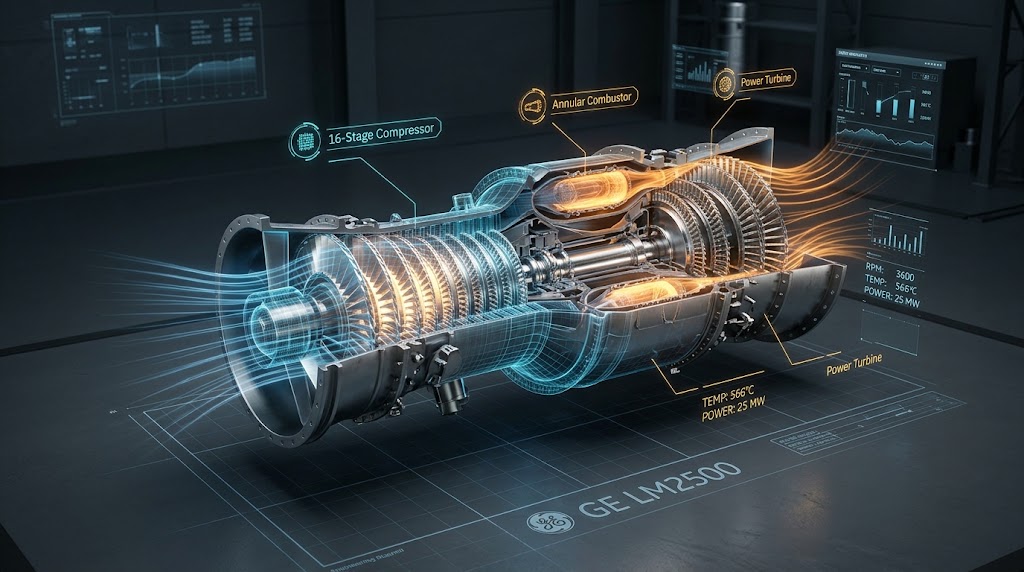
Inside the GE LM2500 3D Product AI Agent
Why the next generation of industrial equipment cataloging requires conversational intelligence grounded directly in CAD geometry and thermodynamics.
November 2, 2026
Read more →
Article
Ruhify Article
Latest articles, product ideas, and platform updates from the Ruhify team.
Why the next generation of industrial equipment cataloging requires conversational intelligence grounded directly in CAD geometry and thermodynamics.
November 2, 2026
Read more →
Discover how AI Website Search, AI Agents and Intelligent Forms can transform your existing website into an interactive experience that helps visitors find answers, understand your offerings and become qualified leads.
November 1, 2026
Read more →
Replacing blank "Contact Us" boxes with context-aware intake that scores buyer intent and triages urgent leads in real time.
October 28, 2026
Read more →
Turning static PDFs and buried spec sheets into instant, citation-backed answers that keep high-intent buyers engaged
October 28, 2026
Read more →
Grounded product intelligence that moves technical buyers from exploration to action
October 26, 2026
Read more →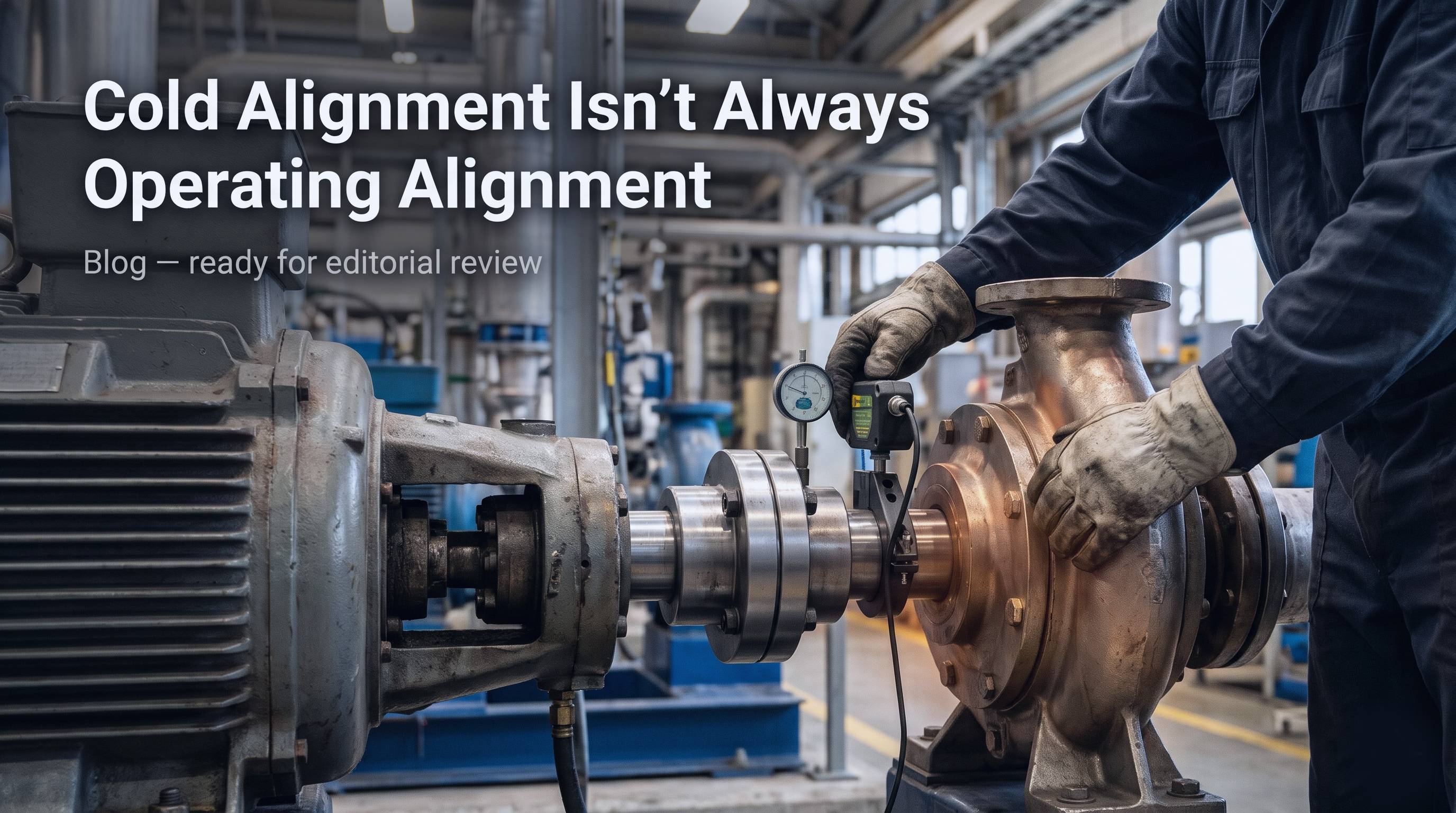
How thermal growth can change shaft positions—and why coupling selection, alignment targets and operating conditions must be evaluated separately.
October 24, 2026
Read more →
Imagine you're a gas turbine engineer. You find an interactive Titan 130 gas turbine page with product information, engineering calculators, visualizations, and a global installation base. You explore it. You see what's useful. Then you notice something you could make better. Maybe you have a more accurate sizing method. Perhaps you want to add a fuel suitability assessment, improve emissions estimates, build a maintenance-life calculator, or create a more realistic budget estimator. Traditionally, you'd start building your own tools, collecting documentation, organizing technical data, and developing the interface. But what if you could fork the existing asset, improve it with your expertise, and publish your own version? That's the idea behind a more collaborative way of building with Ruhify.
October 23, 2026
Read more →
Discover how the internet could become more than a place to consume content—a place to explore ideas, share what you learn, and create something others can build upon.
October 21, 2026
Read more →
Learn how to bring your project story, demos, documentation, and resources together in one interactive page that others can explore, understand, and build upon.
October 19, 2026
Read more →
Explain the heat and moisture loads before choosing cooling equipment.
October 17, 2026
Read more →
Prepare a selection brief that distinguishes normal operation from fault requirements.
October 12, 2026
Read more →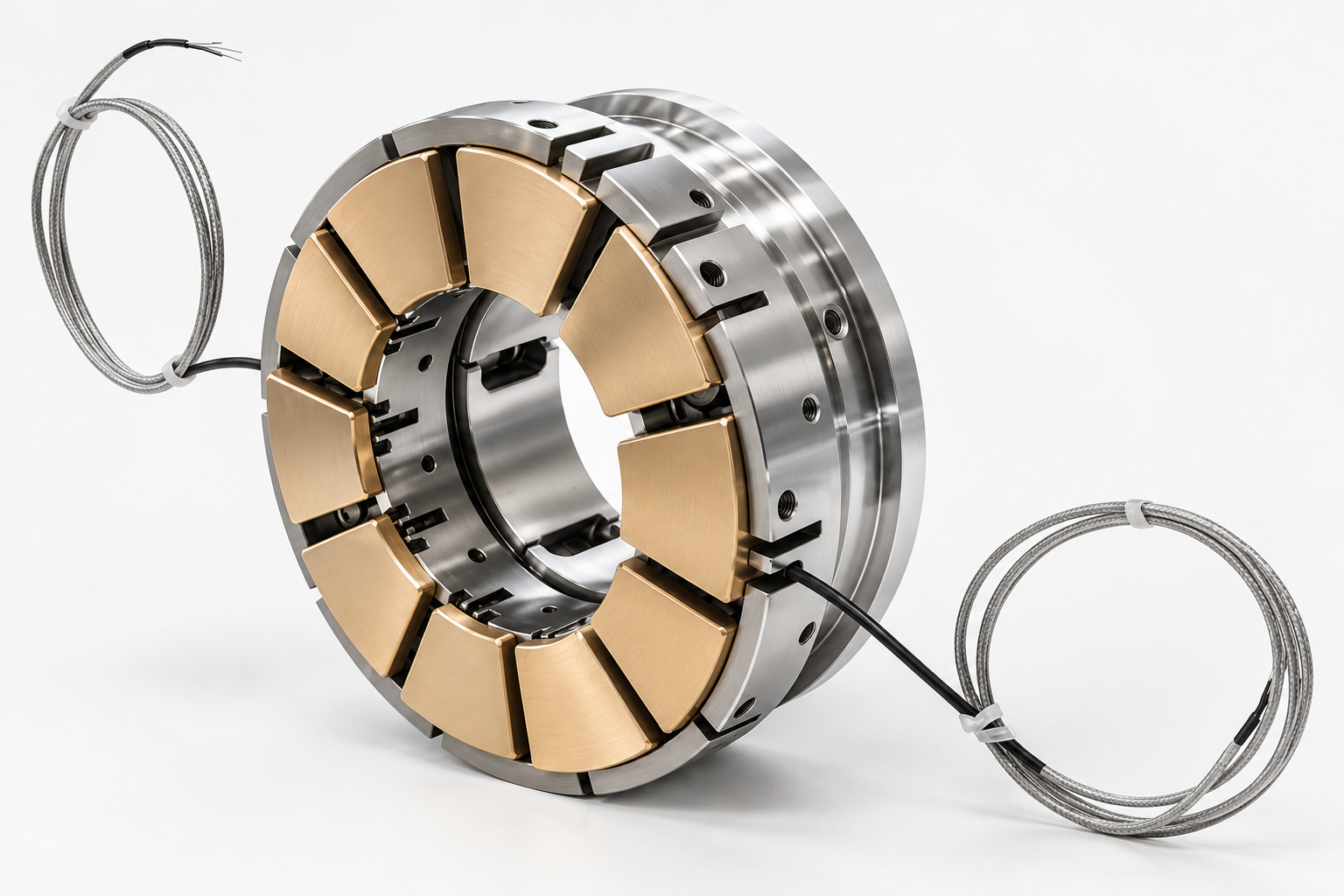
Build a selection case around thrust load, speed, geometry and oil conditions.
October 12, 2026
Read more →
Prepare a meaningful calculation by defining load, speed and lubrication conditions together.
October 12, 2026
Read more →
Include seal gas quality and operating scenarios in the compressor sealing discussion.
October 12, 2026
Read more →
A matching motor power label is only one part of selecting a variable frequency drive.
October 12, 2026
Read more →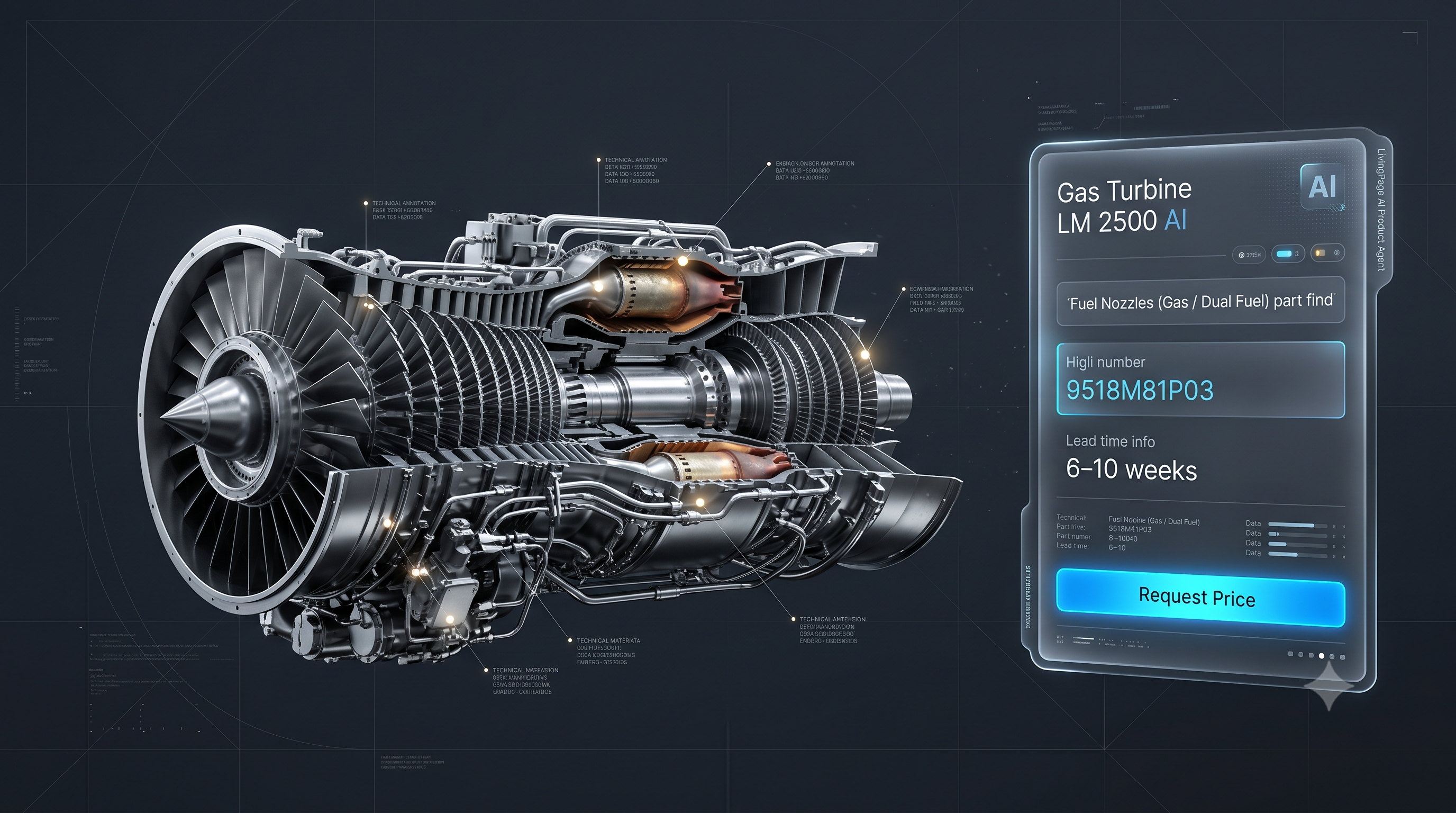
Find parts, explore approved product information and take the next step towards purchase by interacting with a Ruhify Living Page AI Product Agent.
October 9, 2026
Read more →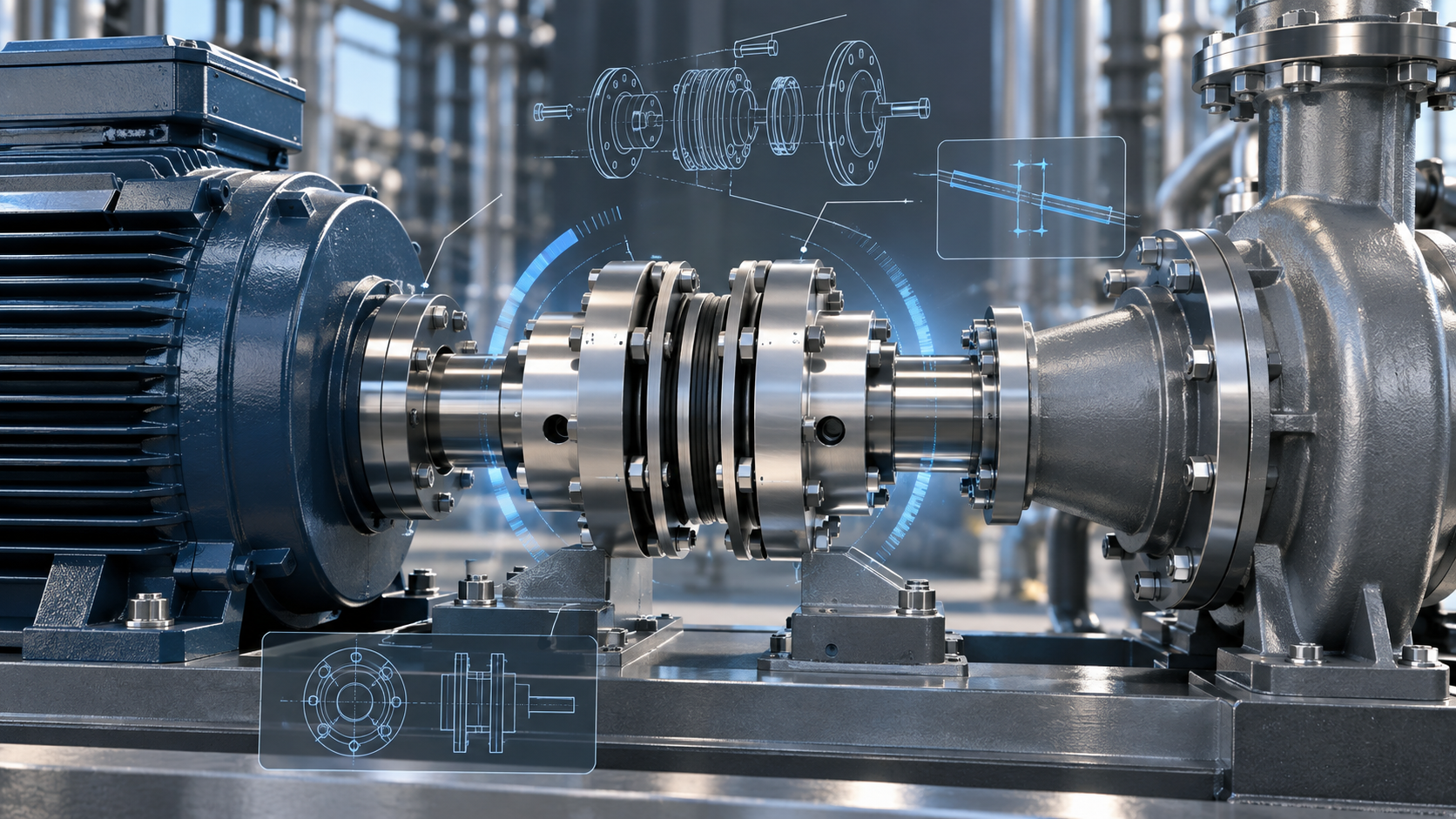
Learn how to size and select a coupling using torque, speed, misalignment, service factor, shaft fit and duty. Explore a structured coupling selection workflow with Ruhify.
October 8, 2026
Read more →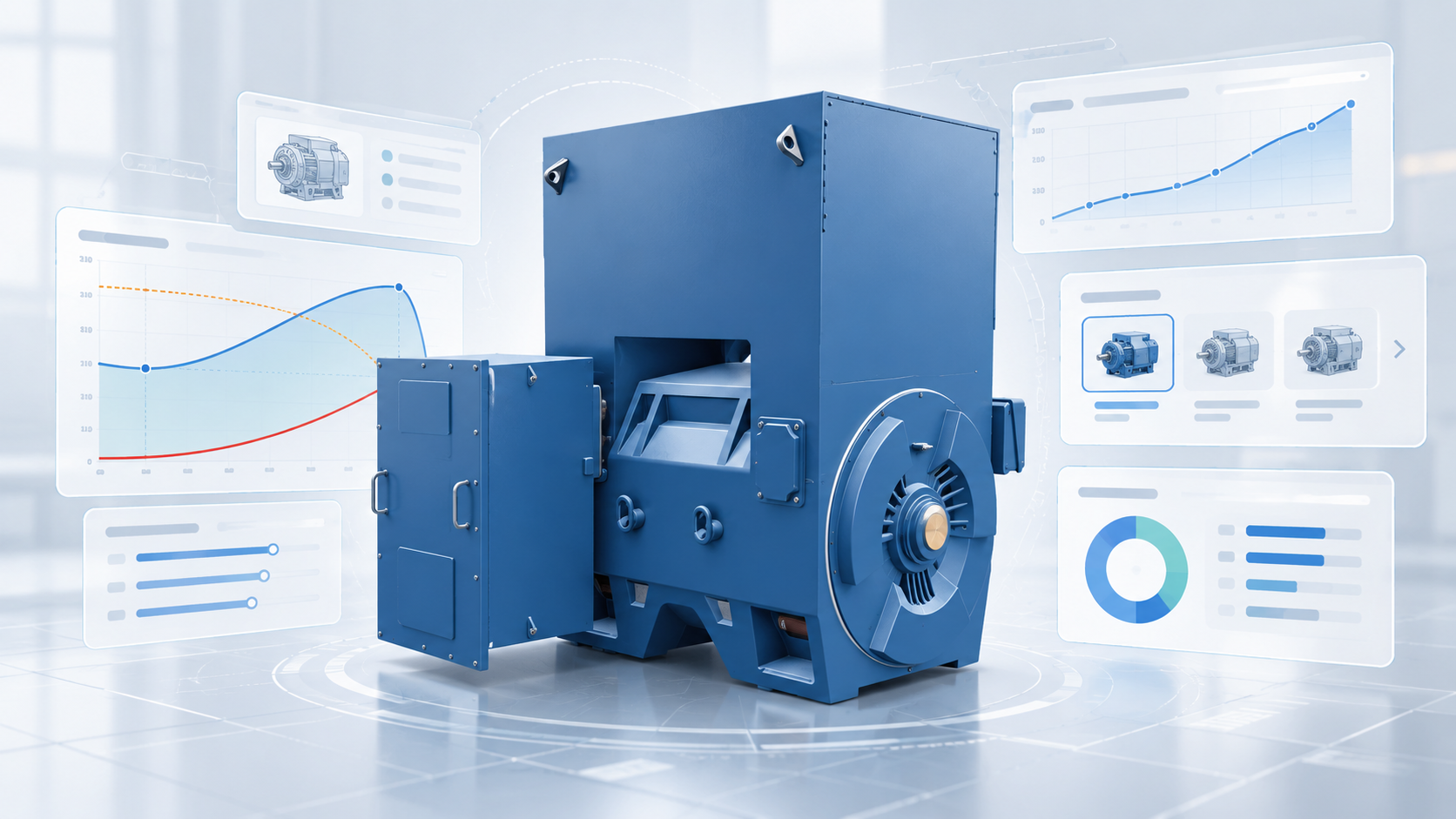
Learn how to size an industrial electric motor using load torque, kW, RPM, inertia, acceleration, duty cycle and VFD requirements. Explore Ruhify's interactive motor sizing and selection experience.
October 6, 2026
Read more →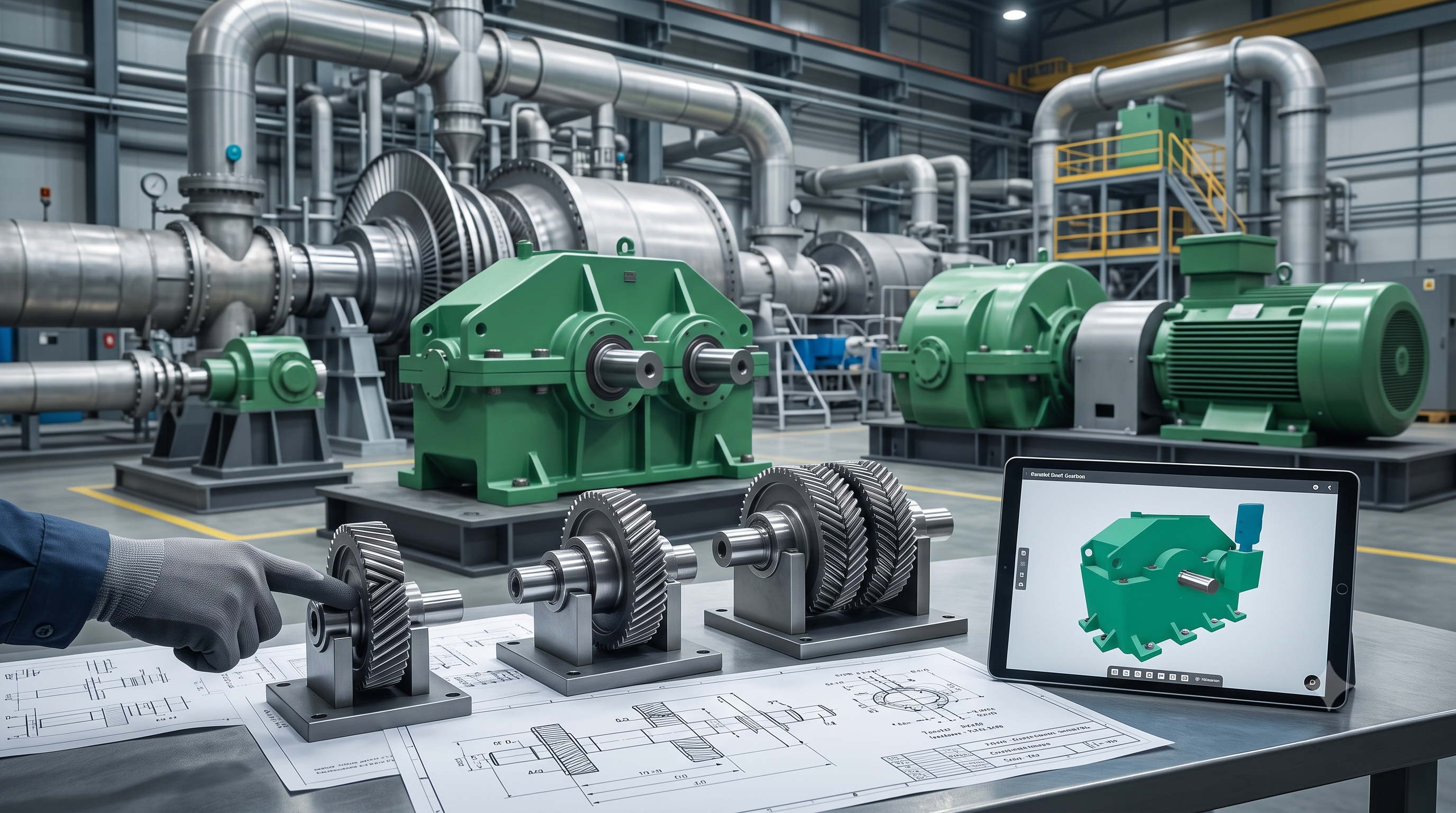
Master industrial gearbox selection. Size ratios, evaluate single vs. double helical gears, check mechanical limits, and run live calculations in Ruhify
October 5, 2026
Read more →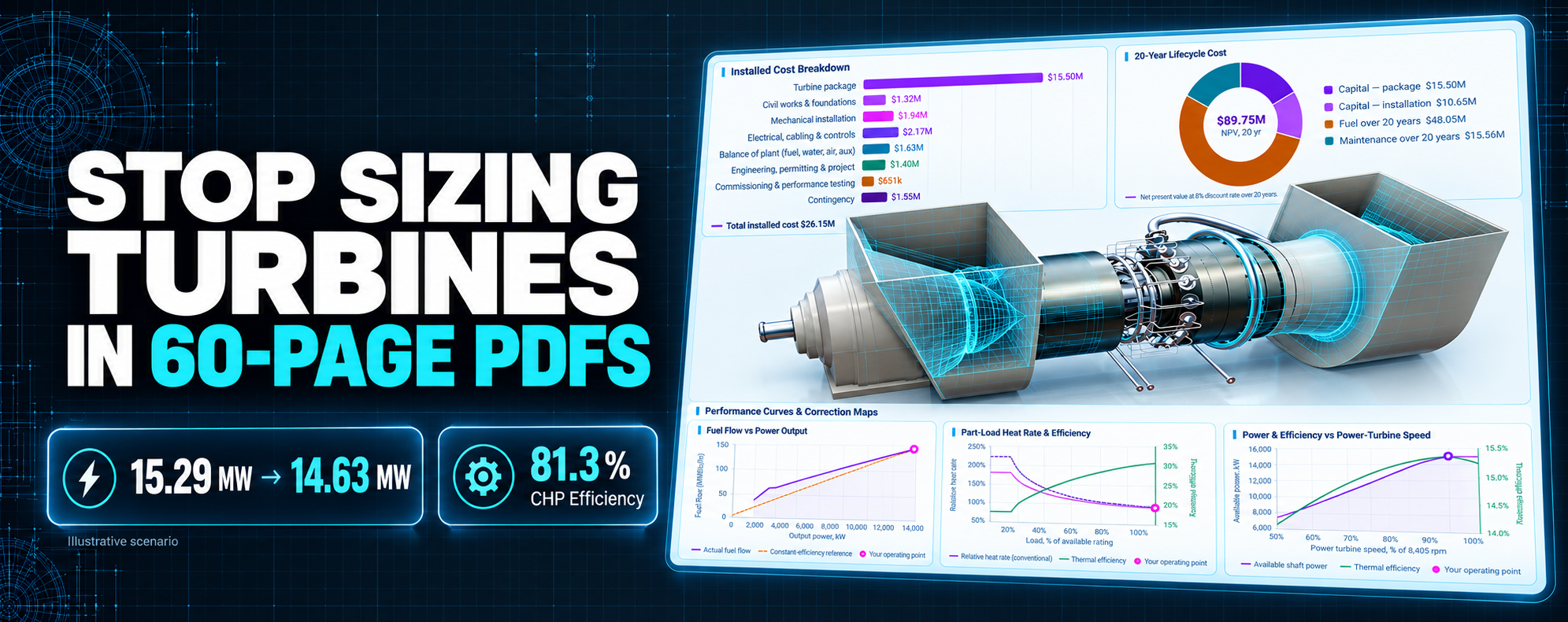
Explore Titan 130 turbine configuration, performance curves, CHP considerations and lifecycle cost with Ruhify’s preliminary engineering calculator.
October 3, 2026
Read more →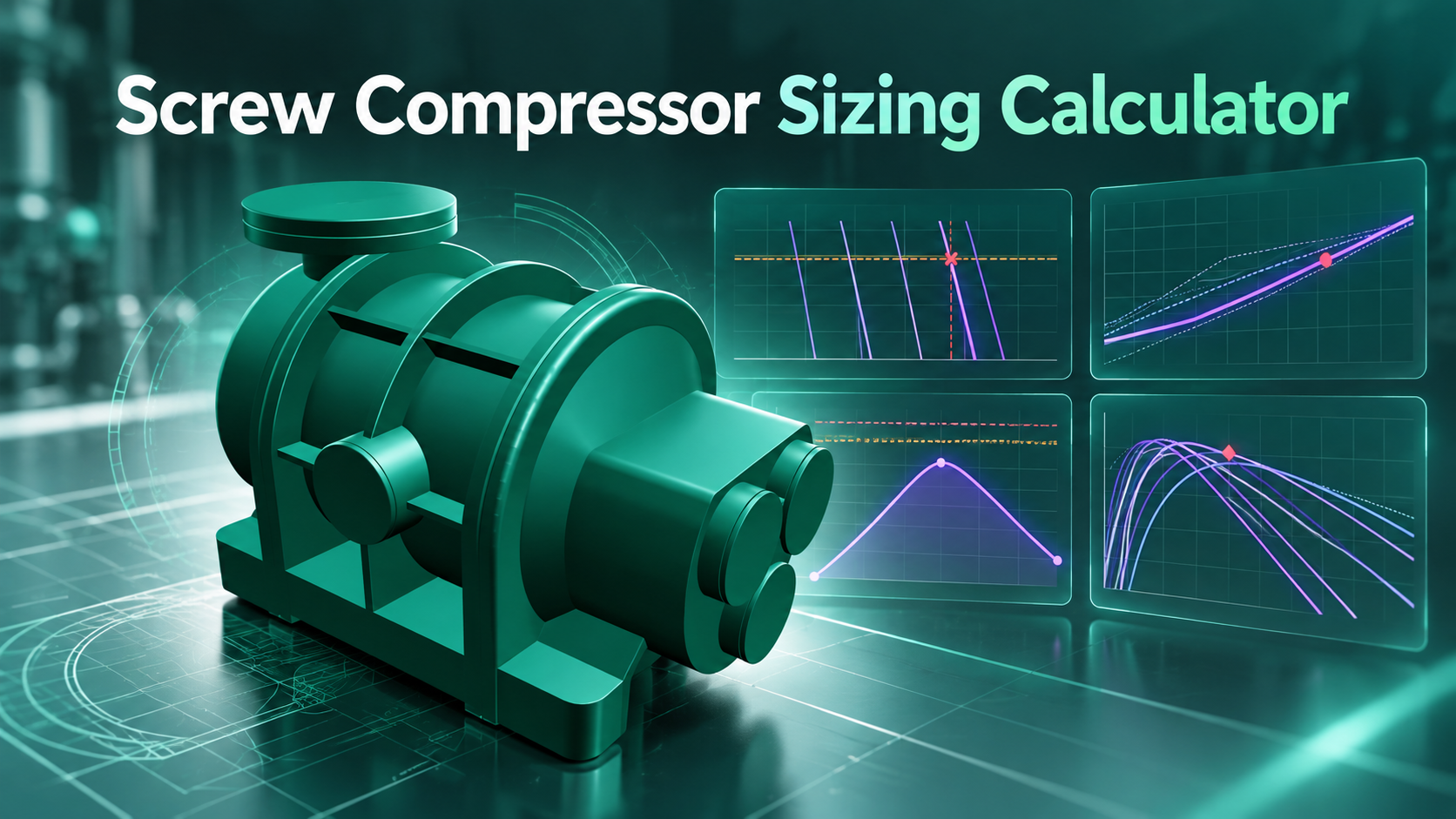
Estimate shaft power, motor size, discharge temperature, specific energy, efficiency, rotor conditions and cooling load for an oil-injected rotary screw compressor.
October 2, 2026
Read more →
See how real-world site conditions can reduce LM2500 output—and use the Ruhify simulator to model temperature, altitude, inlet losses, exhaust backpressure, and cooling before finalizing your plant design.
September 19, 2026
Read more →
Turn complex LM2500 documentation, product knowledge, interactive 3D and RFQ workflows into one intelligent AI-powered product experience.
September 10, 2026
Read more →Reliable Pressure Protection for Industrial Systems
September 5, 2026
Read more →
Upload a PDF, let AI handle repetitive buyer questions, pre-qualify RFQs, and route sales-ready opportunities directly into your CRM.
September 1, 2026
Read more →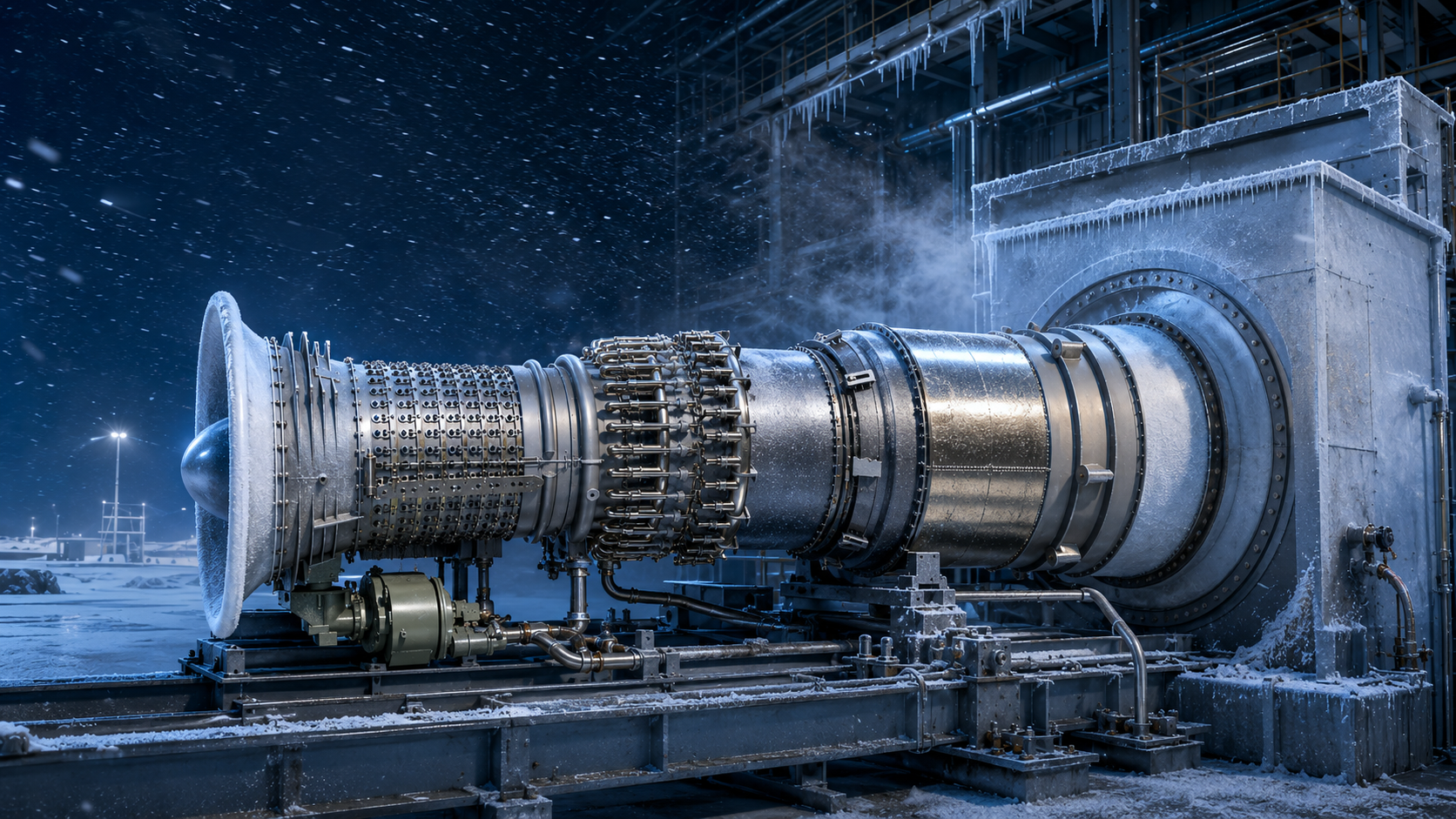
When outside temperatures drop to -15°C and snow blankets the facility, most industrial operations hunker down. But on a dedicated gas turbine test stand, extreme cold provides the ultimate proving ground for one of the most reliable aeroderivative powerplants ever built: the General Electric LM2500 . Originally derived from GE’s legendary TF39 and CF6 turbofan aircraft engines, the LM2500 is an industrial and marine workhorse powering everything from naval destroyers and cruise ships to high-output pipeline compression stations and off-grid electrical generators.
August 28, 2026
Read more →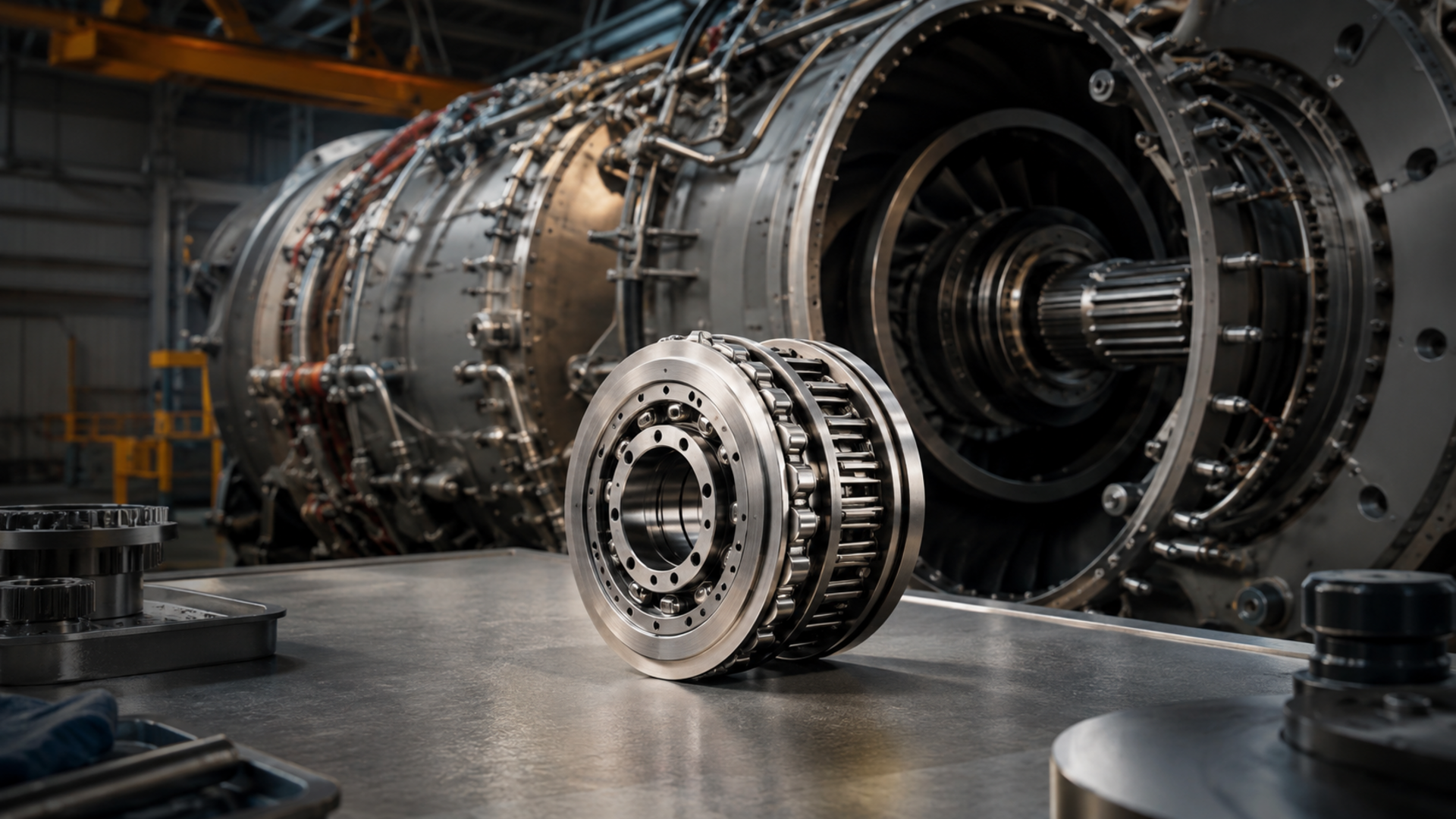
A complete authoritative public base-LM2500 starter-clutch replacement procedure—including disassembly sequence, special tools, dimensional checks, lubrication instructions and torque values—could not be verified. Replacement should therefore be performed only from the applicable current OEM/NAVSEA maintenance procedure by qualified personnel after confirming the clutch is the actual source of the starting fault. Do not begin with replacement Use the required diagnostic chain. Observed symptom: engine fails to accelerate correctly during start, starter disengagement is abnormal or starting-system noise is reported. Possible causes: starter, clutch, hydraulic/pneumatic supply, coupling/spline condition, controls, permissives or mechanical drag. Diagnostic process: review first-out data, commanded and actual speed, starter-system pressures, mechanical inspection and applicable OEM fault isolation. Verified finding: document why the clutch is unserviceable. Corrective action: replace/repair under the current authorized procedure. NAVSEA reporting confirms trained technicians perform starter installation and complex LM2500 engine work under formal maintenance programs. For component location, explore the interactive LM2500 Digital Product Twin . What should the work package contain? Before opening the system: exact engine/package identification; applicable technical manual; revision status; lockout/tagout requirements; starter/clutch P/N; required consumables; special tooling; lifting/support requirements; acceptance criteria; required torque data; post-maintenance functional test. None of those values should be inferred from another engine variant. What parts should be procured? Only the material identified by the approved work package. The RFQ should distinguish: clutch assembly; starter; couplings/splines; seals/O-rings; mounting hardware; locking devices; consumables. Use search the Ruhify parts marketplace after current part numbers are confirmed. What should happen after installation? Post-maintenance actions should follow the applicable OEM procedure and can include controlled checks of: oil or hydraulic-system restoration; foreign-object/tool accountability; connections; starter engagement; acceleration behavior; disengagement; leaks; abnormal noise/vibration; alarms. Exact test points and limits must remain OEM-controlled. Organizations can place approved maintenance procedures and work history inside Ruhify Custom AI Builder . Technicians can then explore the interactive LM2500 Digital Product Twin while planners search the Ruhify parts marketplace for verified material.
August 27, 2026
Read more →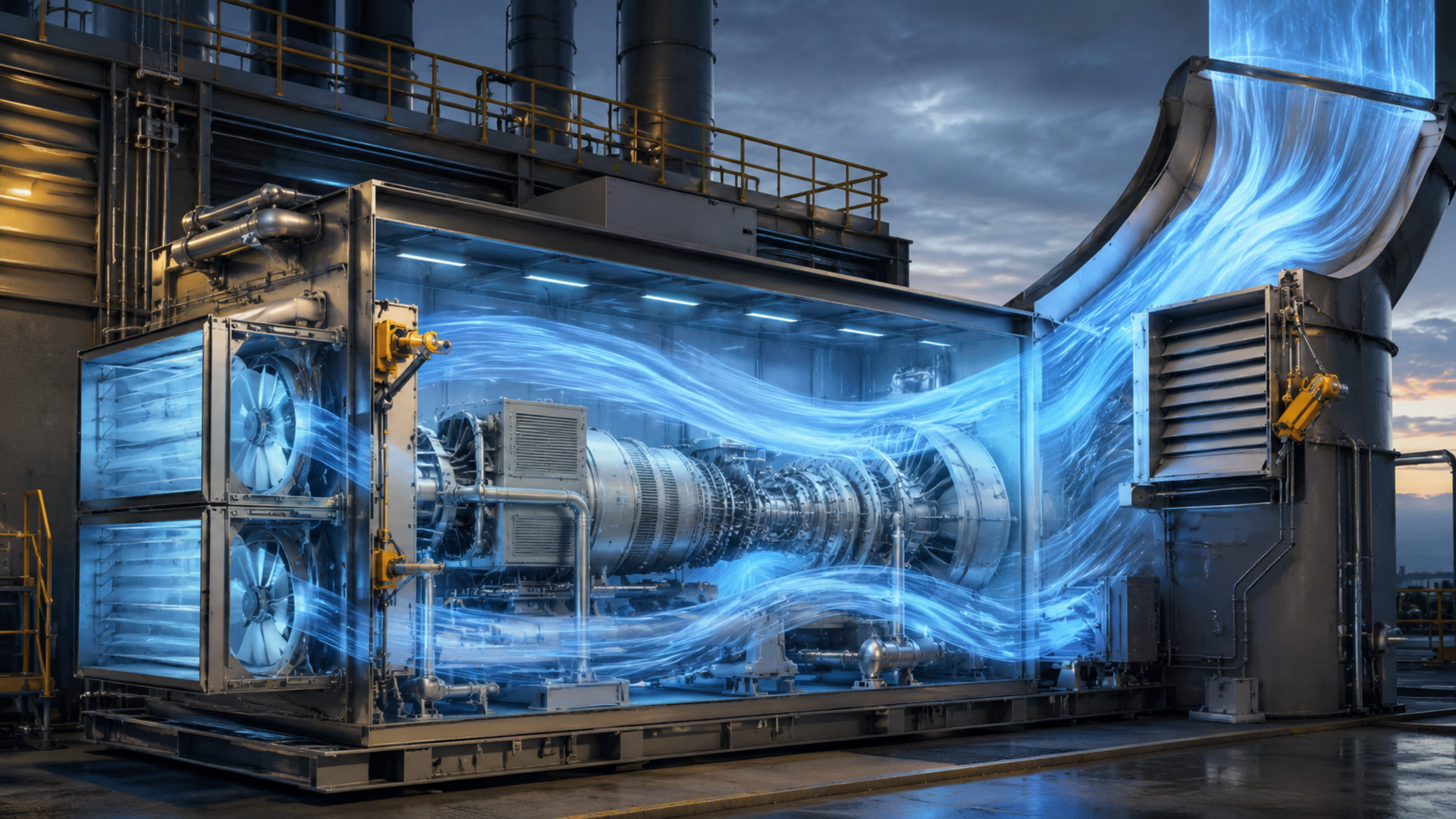
NFPA 85 addresses combustion-turbine exhaust systems and HRSG combustion hazards, but it does not provide one universal LM2500 timer that should be copied into every package. Purge requirements depend on exhaust-system geometry, HRSG/duct-burner configuration, fuel system, purge-credit design and the current adopted code edition plus OEM/site control logic. Where does NFPA 85 apply? The 2023 edition of NFPA 85 includes Chapter 8 — Heat Recovery Steam Generators and Other Combustion Turbine Exhaust Systems . That scope is particularly relevant when an LM2500 exhausts into an HRSG or other combustion-turbine exhaust system where unburned fuel accumulation must be controlled. For package-to-exhaust orientation, explore the interactive LM2500 Digital Product Twin . Why isn't a fixed purge time published here? Because purge adequacy is not only about elapsed seconds. It relates to replacement/removal of combustible mixtures from the applicable volume while required permissives are satisfied. NFPA committee documentation also illustrates that combustion-turbine purge credit and valve-proving logic can materially affect whether a new purge is required before restart. The current adopted edition and project-specific design must therefore govern. What should the LM2500 start logic verify? Without reproducing proprietary or configuration-specific logic, an engineered purge/start system may need to demonstrate: fuel isolation status; required valve positions; ventilation/exhaust path availability; purge airflow; damper position where applicable; HRSG/duct-burner state; successful purge completion or valid purge credit; no active safety trip preventing light-off. Never force a permissive or reduce purge requirements to accelerate a start. What documentation should an operator retain? Maintain: Current NFPA/code basis. OEM start sequence. approved cause/effect. purge volume calculation/design basis. fuel-valve proving philosophy. HRSG/duct-burner interface logic. control software revision. commissioning test. management-of-change records. Those controlled records can be made searchable through Ruhify Custom AI Builder . If a verified fuel or purge-system component requires replacement, teams can search the Ruhify parts marketplace . Operators can also explore the interactive LM2500 Digital Product Twin and procurement teams can search the Ruhify parts marketplace only after exact configuration verification.
August 27, 2026
Read more →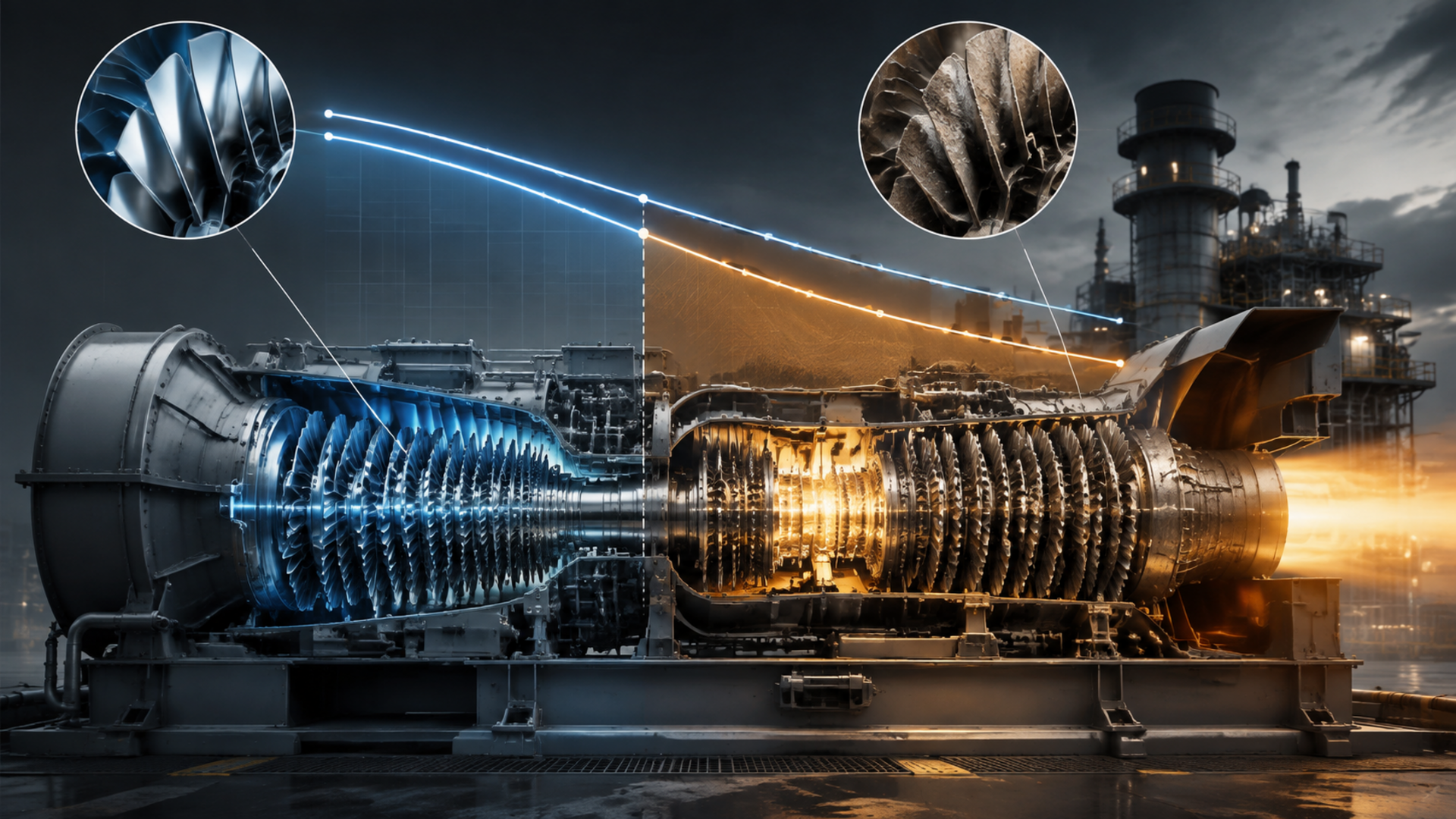
Heat-rate degradation is the percentage increase in actual corrected heat rate relative to an appropriate clean/reference heat rate. The basic comparison is ( C u r r e n t H R ÷ R e f e r e n c e H R ) − 1 (Current HR ÷ Reference HR) − 1 × 100. The difficult part is not the arithmetic: both datasets must be corrected to comparable fuel, ambient, load and plant-boundary conditions. What is heat rate? For power generation: Heat rate = fuel energy input ÷ electrical energy output Use a consistent fuel basis—such as LHV or HHV—and consistent gross/net plant boundaries. GE publishes base-LM2500 DLE reference heat-rate data under specified ISO/natural-gas conditions, but those numbers should not be compared directly with raw site data taken under different ambient or loss conditions. Teams can explore the interactive LM2500 Digital Product Twin when relating performance changes to engine sections. What is the degradation formula? Once values are properly corrected: Heat Rate Degradation (%) = ( Current Corrected Heat Rate Reference Corrected Heat Rate − 1 ) × 100 \text{Heat Rate Degradation (\%)} = \left( \frac{\text{Current Corrected Heat Rate}} {\text{Reference Corrected Heat Rate}} -1 \right)\times100 No mock numerical example is inserted here because the user requested zero invented engineering data. What should be corrected before comparison? Typical performance normalization may need to address: ambient temperature; barometric pressure; relative humidity; inlet loss; exhaust loss; load; fuel heating value/composition; auxiliary loads; generator losses; power-factor or electrical boundary; inlet cooling; water/steam injection where applicable. Use the OEM performance model or approved test procedure rather than creating homemade correction factors. What does GE say about LM2500 deterioration? GE's aeroderivative design paper separates degradation into: recoverable degradation , primarily associated with fouling and recoverable through cleaning; nonrecoverable degradation , requiring component repair or replacement. For representative LM2500 field experience, GE describes long-term nonrecoverable power deterioration on the order of 4% at 25,000 operating hours while heat-rate deterioration remained within approximately 1% of the new-and-clean guarantee in the study presented. Those are historical trend observations, not a guaranteed site degradation curve
August 27, 2026
Read more →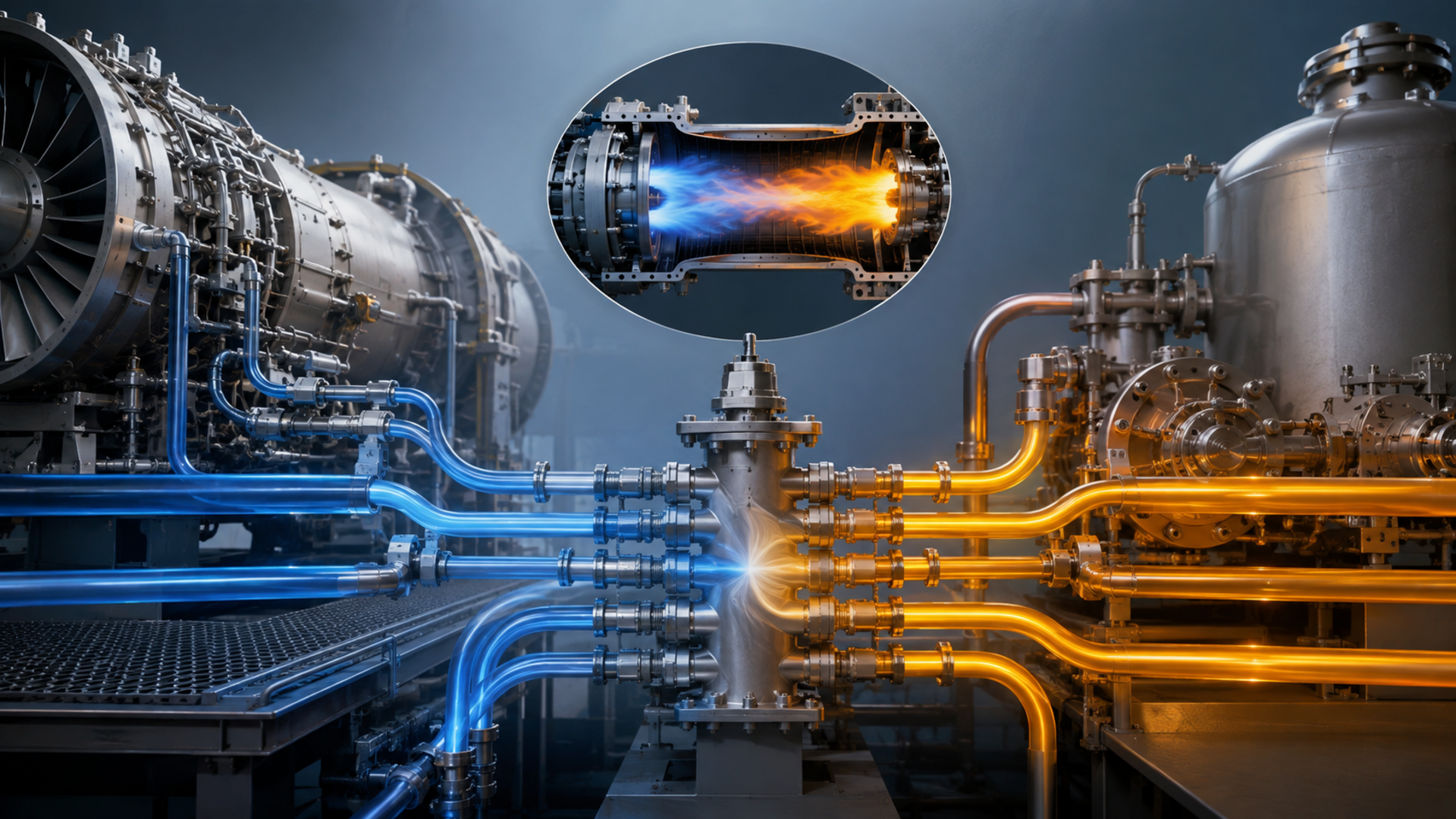
The LM2500 can be configured for dual-fuel operation, but an authoritative universal step-by-step gas-to-liquid transfer sequence—including exact valve timing, overlap, fuel splits, permissives and abort thresholds—could not be verified publicly. Those details are control-software and package specific and must be followed from the applicable OEM operating and controls documentation. What dual-fuel hardware does GE identify? GE Vernova's current LM2500 dual-fuel upgrade information identifies hardware including: dual-fuel manifolds; liquid and gas fuel paths; dual-fuel nozzles; fuel-metering valves; gas shutoff valves/check valves/vents; liquid boost and filtering equipment; control/HMI changes. For system mapping, explore the interactive LM2500 Digital Product Twin . What happens conceptually during fuel transfer? Without replacing configuration-specific OEM logic, the transfer objective is to move combustion energy from one fuel system to the other while maintaining stable combustion and all engine operating limits.
August 27, 2026
Read more →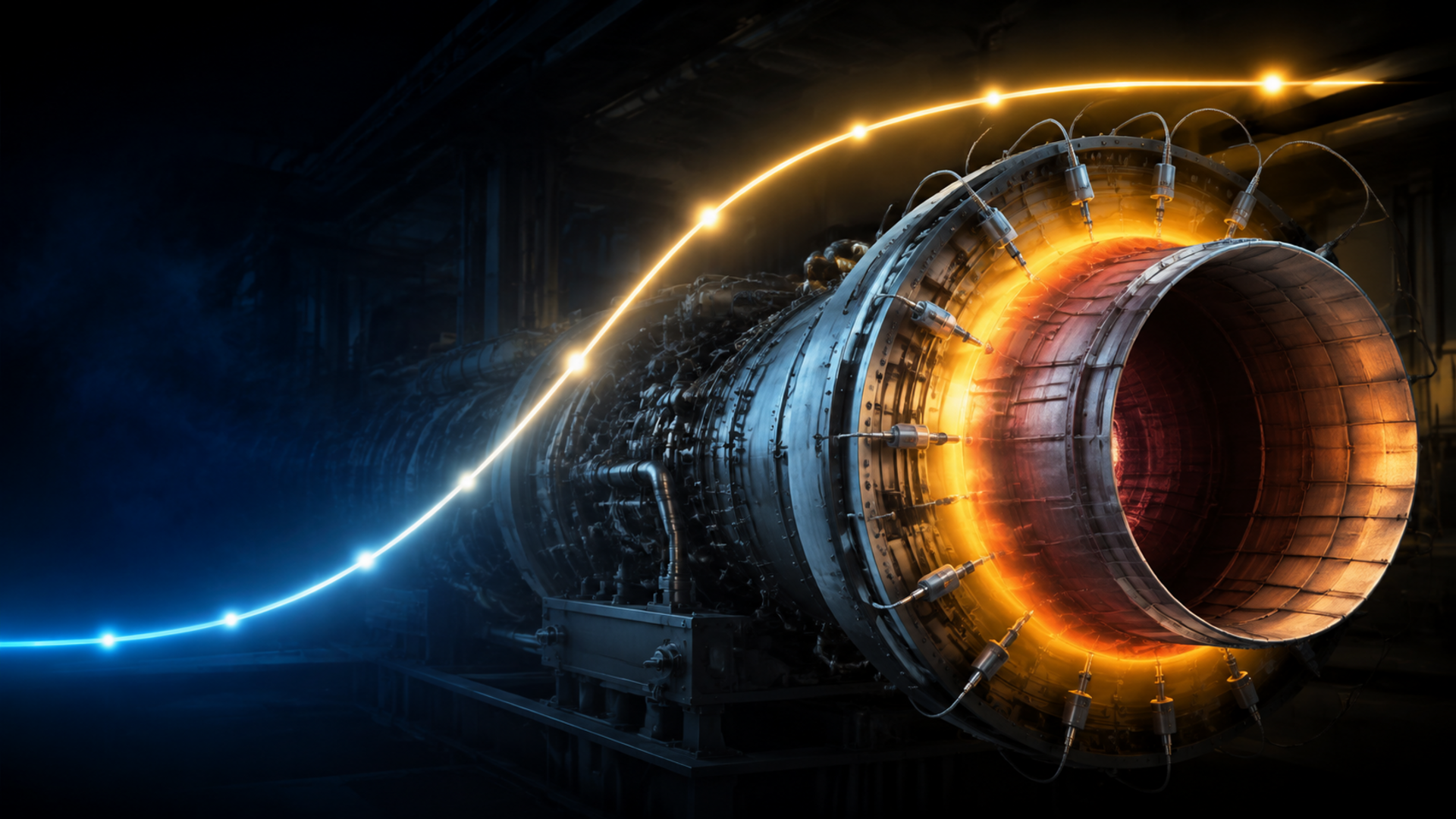
A universal numerical base-LM2500 T48 start-spread alarm or shutdown limit could not be verified from an authoritative unrestricted OEM source. The applicable value depends on engine and controls configuration and must be taken from the current control specification/O&M documentation. Operators should trend individual T48 channels and follow the configured protection logic. What is T48 used for? T48 is associated with temperature measurement in the exhaust-flow region downstream of the gas generator/HPT and is used by LM2500 control and monitoring systems to assess temperature behavior. GE's base architecture places the HPT upstream of the six-stage free power turbine, making exhaust-temperature distribution relevant to combustion and hot-section condition. For sensor-location context, engineers can explore the interactive LM2500 Digital Product Twin . Why does temperature spread matter? An abnormal spread can indicate uneven energy distribution. Possible categories—not confirmed diagnoses—include: fuel-distribution imbalance; nozzle condition; instrumentation error; combustion-system distress; wiring/connection faults; control or calibration issues. The diagnostic sequence should be: Observed symptom → validate instrumentation → review startup data → compare individual channels → inspect relevant systems → verify finding → perform OEM-approved corrective action. Do not replace fuel nozzles solely because “T48 spread is high.”
August 27, 2026
Read more →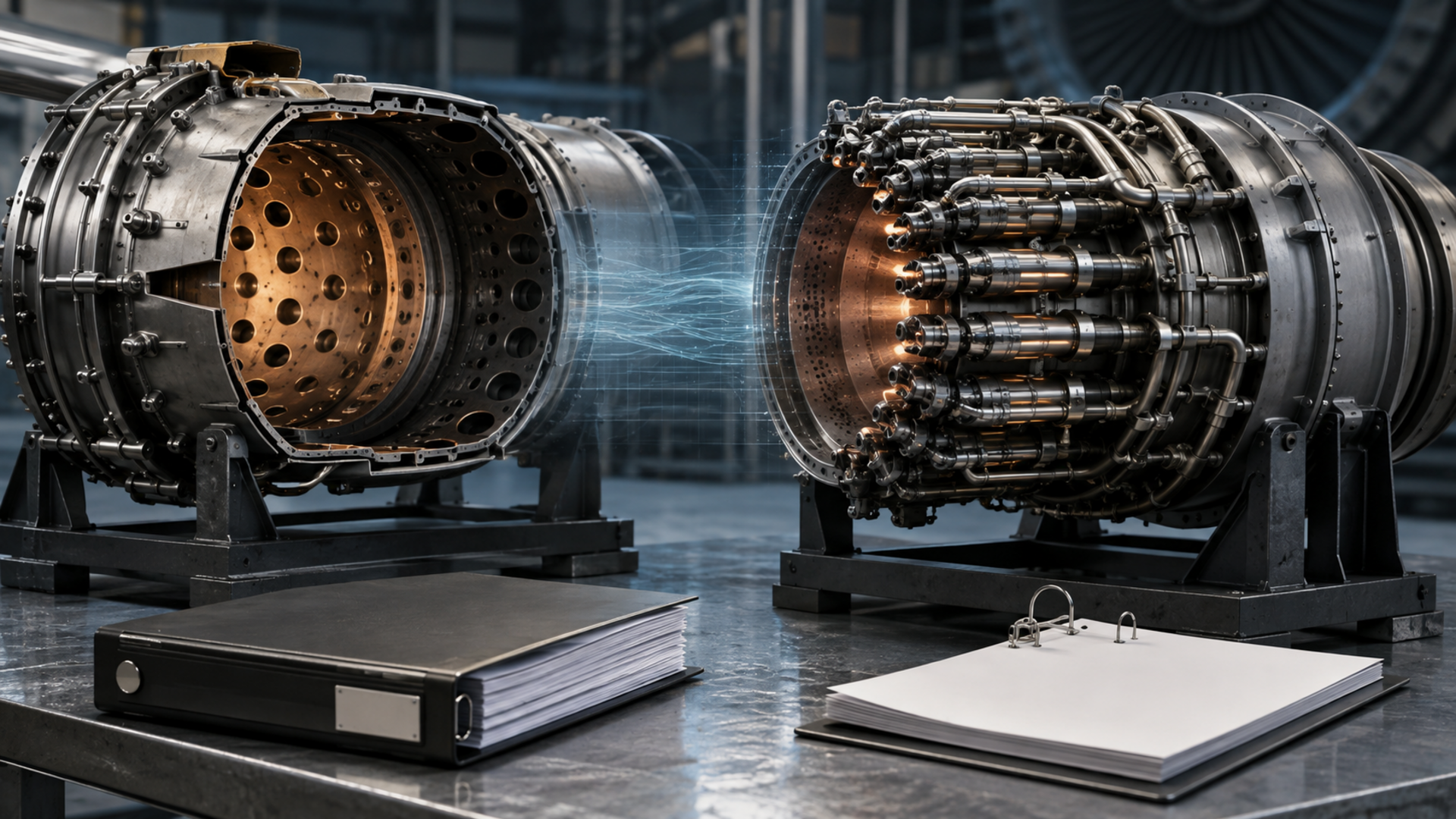
GE Vernova publicly lists SAC-to-DLE conversion as an LM/TM2500 upgrade path, but conversion compliance cannot be established by replacing the combustor alone. The technical package should cover engine effectivity, combustion hardware, fuel system, controls/software, emissions performance, testing, drawings, operating instructions and any regulatory or permit approvals applicable to the installation. Does GE support SAC-to-DLE conversion? Yes. GE Vernova's LM/TM2500 upgrade portfolio explicitly identifies SAC to DLE Conversion , describing it as converting a SAC engine to DLE to eliminate water while maintaining emissions. The first engineering step is confirming applicability to the specific base engine. Teams can explore the interactive LM2500 Digital Product Twin to understand the combustor and fuel-system architecture affected by the conversion. What belongs in the compliance package?
August 27, 2026
Read more →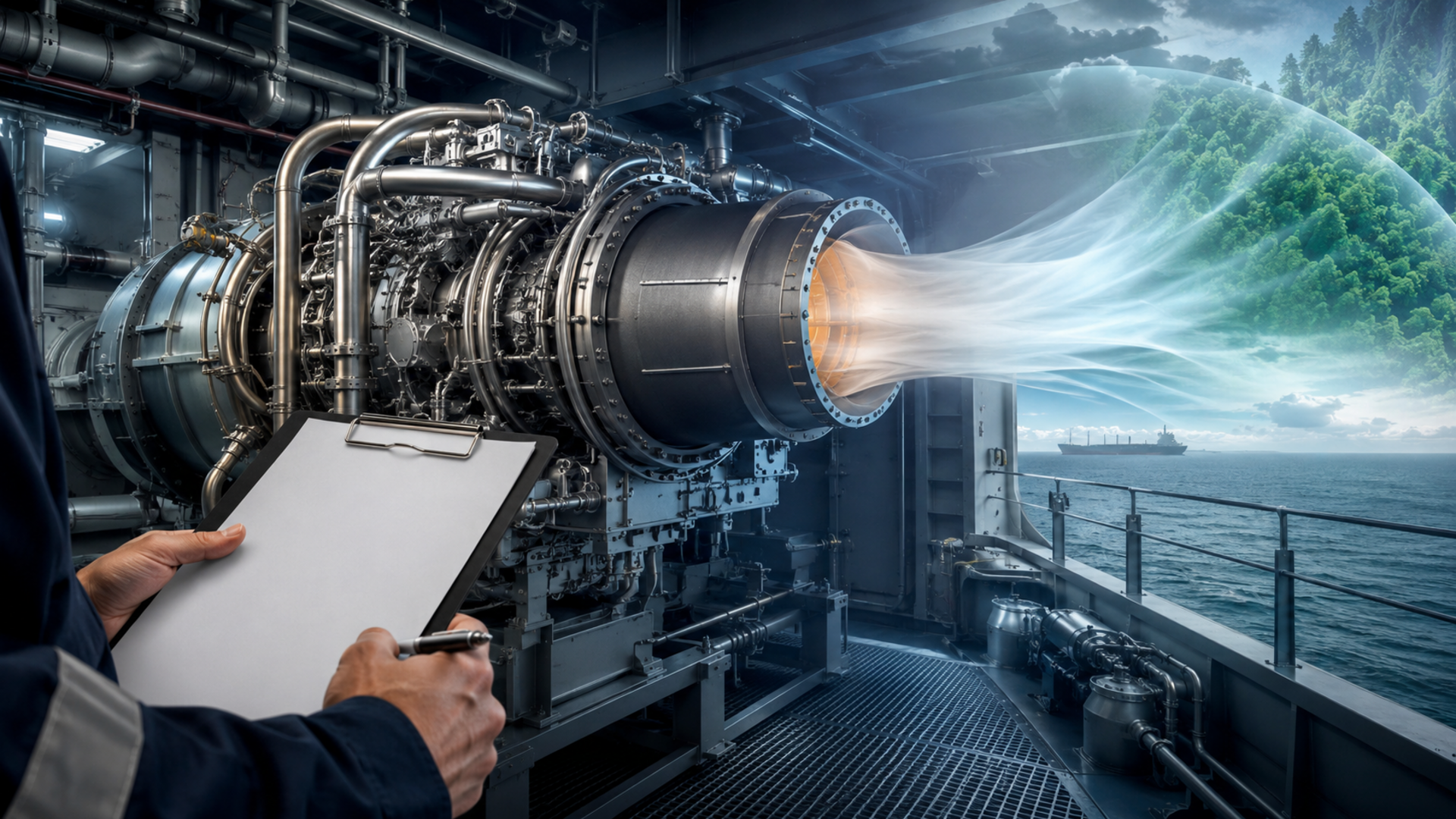
Does Lloyd's Register Set a Specific LM2500 DLE NOx Limit? A separate Lloyd's Register LM2500-specific DLE NOx limit could not be verified. GE identifies Lloyd's Register Naval among LM2500 type approvals, while statutory ship air-pollution requirements generally arise from applicable flag-state and MARPOL Annex VI rules. Importantly, IMO Regulation 13 NOx tiers are written for marine diesel engines, not simply every gas turbine. What does GE say about Lloyd's Register? GE's current marine LM2500 data sheet lists type approvals including Lloyd's Register Naval , together with other classification organizations. Classification approval should not be confused with an independent universal exhaust-emission number. For marine architecture context, explore the interactive LM2500 Digital Product Twin .
August 27, 2026
Read more →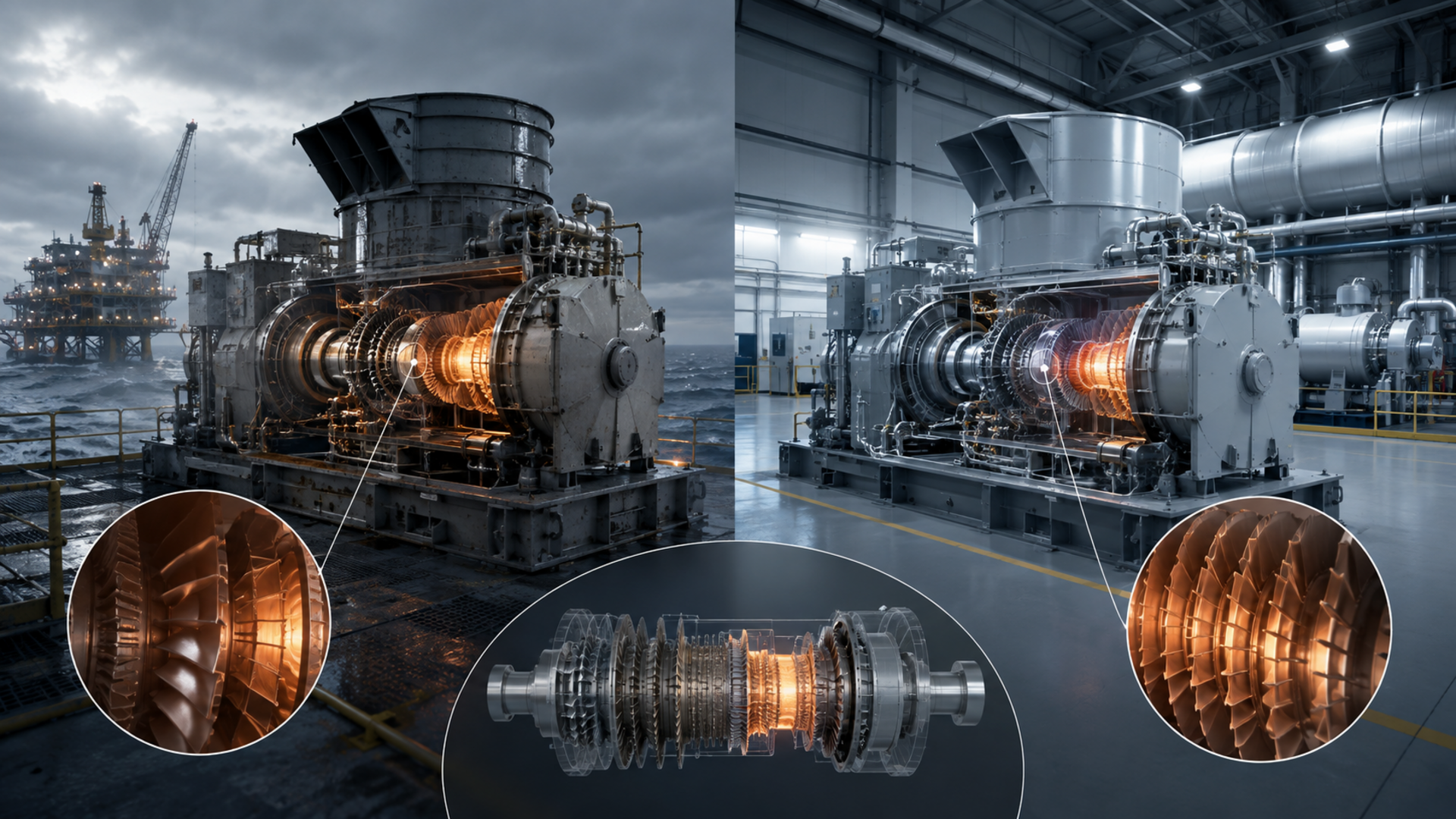
GE has publicly published a 25,000-hour hot-section planning value for an LM2500 DLE power-plant configuration, but a universal authoritative “offshore versus baseload” interval difference could not be verified. Actual inspection timing is configuration-, fuel-, duty-, environment- and condition-dependent and must follow the applicable current O&M documentation.
August 27, 2026
Read more →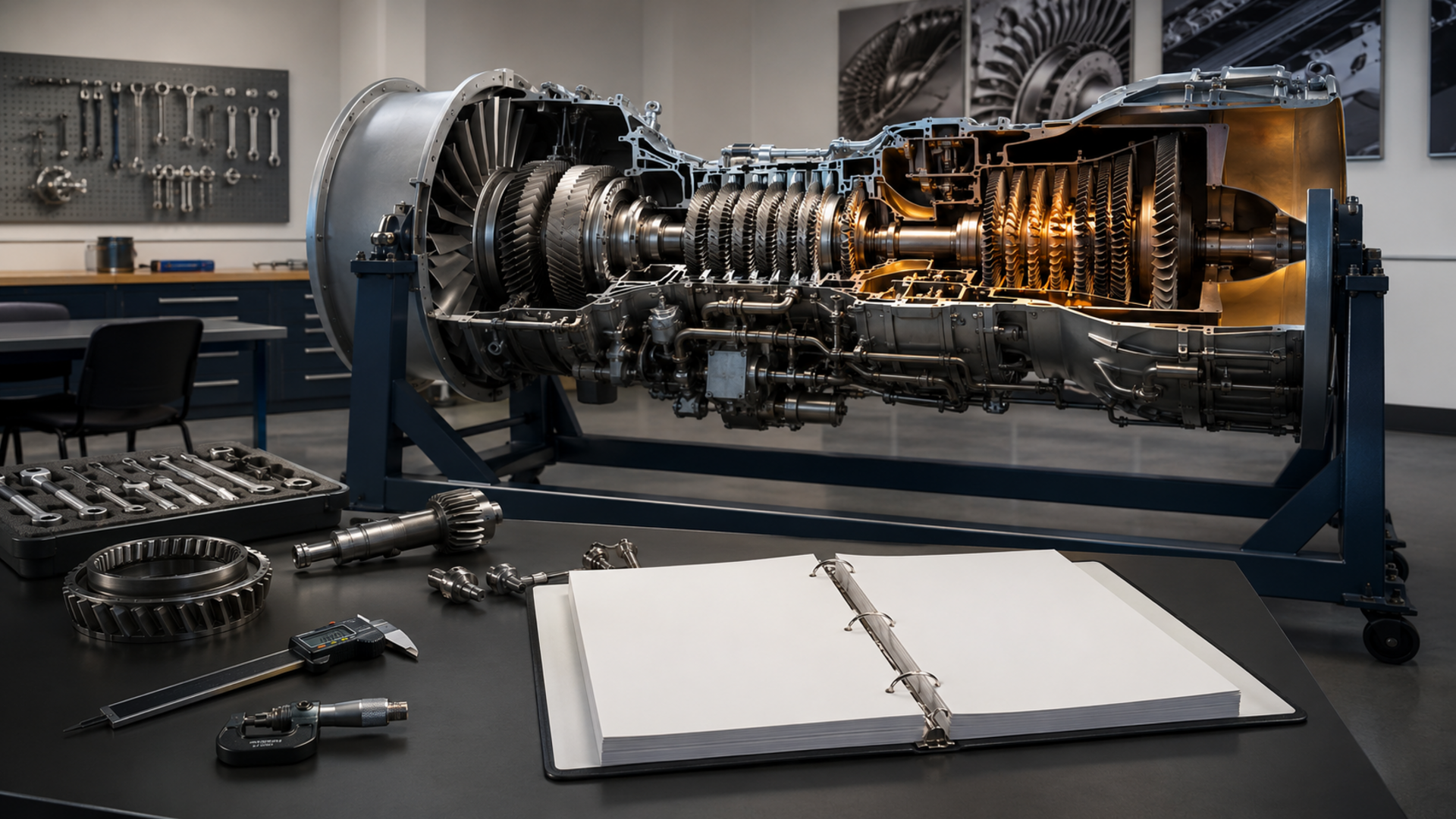
Is There a Public Standard LM2500 Training Manual? Immediate Answer: GE Vernova offers official LM2500 familiarization and site-specific aeroderivative training, but one unrestricted public document that can be treated as the current universal “standard LM2500 training manual” could not be verified. Training should be matched to the engine configuration, package, controls, operating duty and personnel role. [C] What does GE's current LM2500 training cover? GE Vernova's training program explicitly includes LM2500 aeroderivative turbines. Its online LM2500 familiarization course covers gas-turbine theory, operation, influential properties, configuration, construction and key components. GE also offers site-specific operation, maintenance and specialized-procedure training. A sound training module can therefore be organized as follows: Module 1 — Gas turbine fundamentals Brayton-cycle principles. LM2500 split-shaft concept. airflow and energy conversion. Module 2 — Engine construction inlet/compressor; combustor; HPT; turbine mid-frame; free power turbine; accessory systems. Learners can explore the interactive LM2500 Digital Product Twin during this module. Module 3 — Auxiliary systems fuel; lube/scavenge; starting; water wash; instrumentation; ventilation and fire protection. Module 4 — Controls and normal operation start prerequisites; operating modes; monitoring; shutdown concepts; protection philosophy. Module 5 — Inspection and maintenance external inspection; borescope principles; contamination/FOD control; maintenance documentation; configuration control. Maintenance training should never replace task-specific authorized procedures. What should a buyer/MRO module contain? Parts personnel need different training from operators. Include: part-number configuration control; serial-number effectivity; service bulletins; material traceability; life-controlled hardware; repair versus replace decisions; preservation/storage; counterfeit/unsupported parts risk. Learners can search the Ruhify parts marketplace during an RFQ exercise while being required to verify every offered part against controlled documentation.
August 26, 2026
Read more →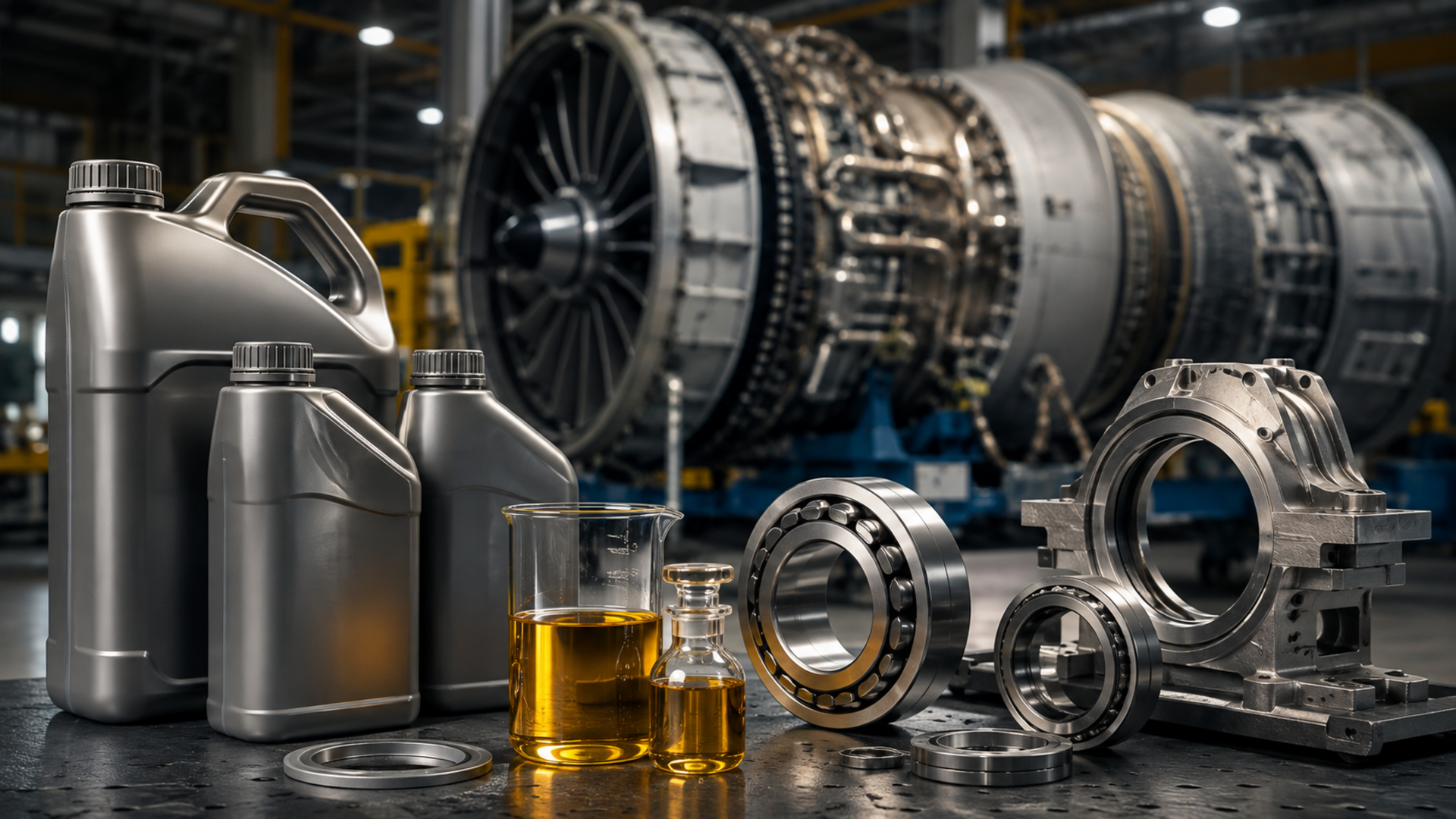
GE publicly describes the LM2500 lubrication and scavenge architecture, including attached lube pumps and an off-module Lube Scavenging and Conditioning Assembly, but a current configuration-controlled base-LM2500 package P&ID suitable for maintenance could not be verified as an unrestricted authoritative public PDF. Use the site/OEM drawing set for actual valve and instrument identification. What does GE publicly confirm? GE Aerospace describes the LM2500 as including attached fuel and lube-oil pumps plus lube and scavenge systems. GE's marine package data sheet also identifies the Lube Scavenging and Conditioning Assembly (LSCA) as an off-module skid. That establishes system architecture, but it does not replace the installation-specific P&ID. Engineers can explore the interactive LM2500 Digital Product Twin for spatial understanding of bearings, accessory gearbox and lubrication connections before moving to controlled drawings. What should a usable LM2500 lube-system P&ID show? Depending on package configuration, maintenance personnel would expect controlled documentation to identify functions such as:
August 26, 2026
Read more →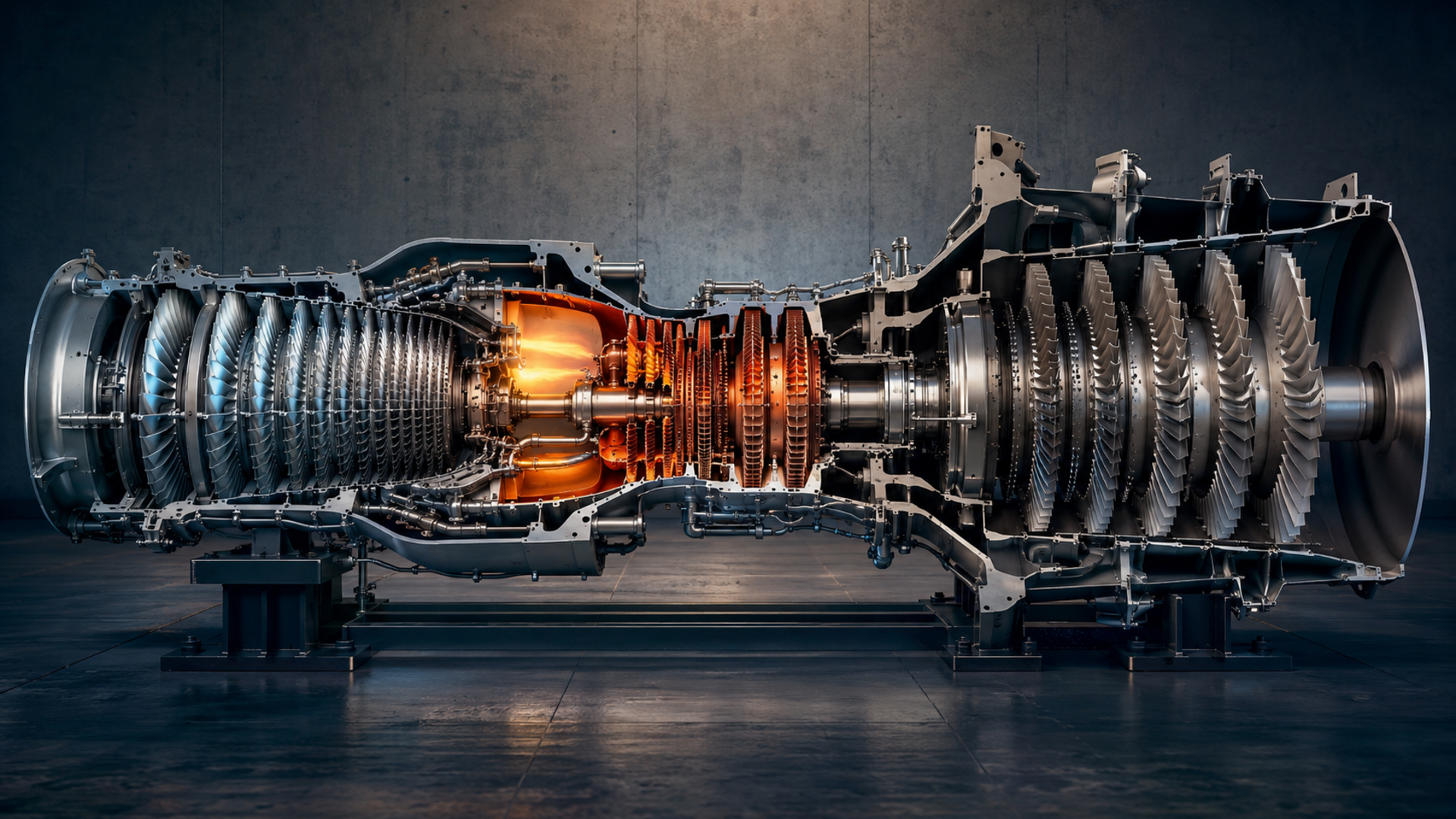
The base LM2500 is a two-spool aeroderivative. Its gas generator contains a 16-stage compressor, annular combustor and two-stage high-pressure turbine. Hot gas leaving the gas generator drives a mechanically independent six-stage free power turbine, which converts remaining gas energy into useful shaft output for propulsion, generation or mechanical drive. What is inside the gas generator? GE Aerospace describes the base LM2500 as having: a 16-stage compressor ; variable inlet guide vanes and variable stator geometry in the forward compressor; a fully annular combustor; 30 fuel nozzles ; a two-stage high-pressure turbine . The HPT extracts enough energy to drive the compressor and gas-generator accessories. What does the six-stage power turbine do? GE states that the six-stage power turbine is aerodynamically coupled to the gas generator rather than mechanically connected to the gas-generator shaft. It is driven by the gas-generator exhaust stream. This free-turbine architecture permits the output shaft to operate according to the requirements of the driven equipment while the gas generator maintains its own operating relationship. GE's current marine data sheet confirms a six-stage free power turbine for the base LM2500. Technicians can use the Digital Twin to inspect the physical transition from HPT through the turbine mid-frame into the power turbine, then search the Ruhify parts marketplace when a verified component is required. Why does this separation matter during troubleshooting? A symptom should first be assigned to its subsystem: Compressor/combustor/HPT behavior → investigate the gas generator. Output-shaft/PT vibration or load-transfer issues → assess the free power turbine and driven train. Shared lube, controls or instrumentation symptoms → evaluate system interfaces. Do not infer that a change in output-shaft behavior automatically proves a power-turbine mechanical fault. Organizations can use Ruhify Custom AI Builder to connect their approved training material and O&M documentation to each engine section. Maintenance planners can then explore the interactive LM2500 Digital Product Twin and search the Ruhify parts marketplace without confusing gas-generator and PT hardware.
August 26, 2026
Read more →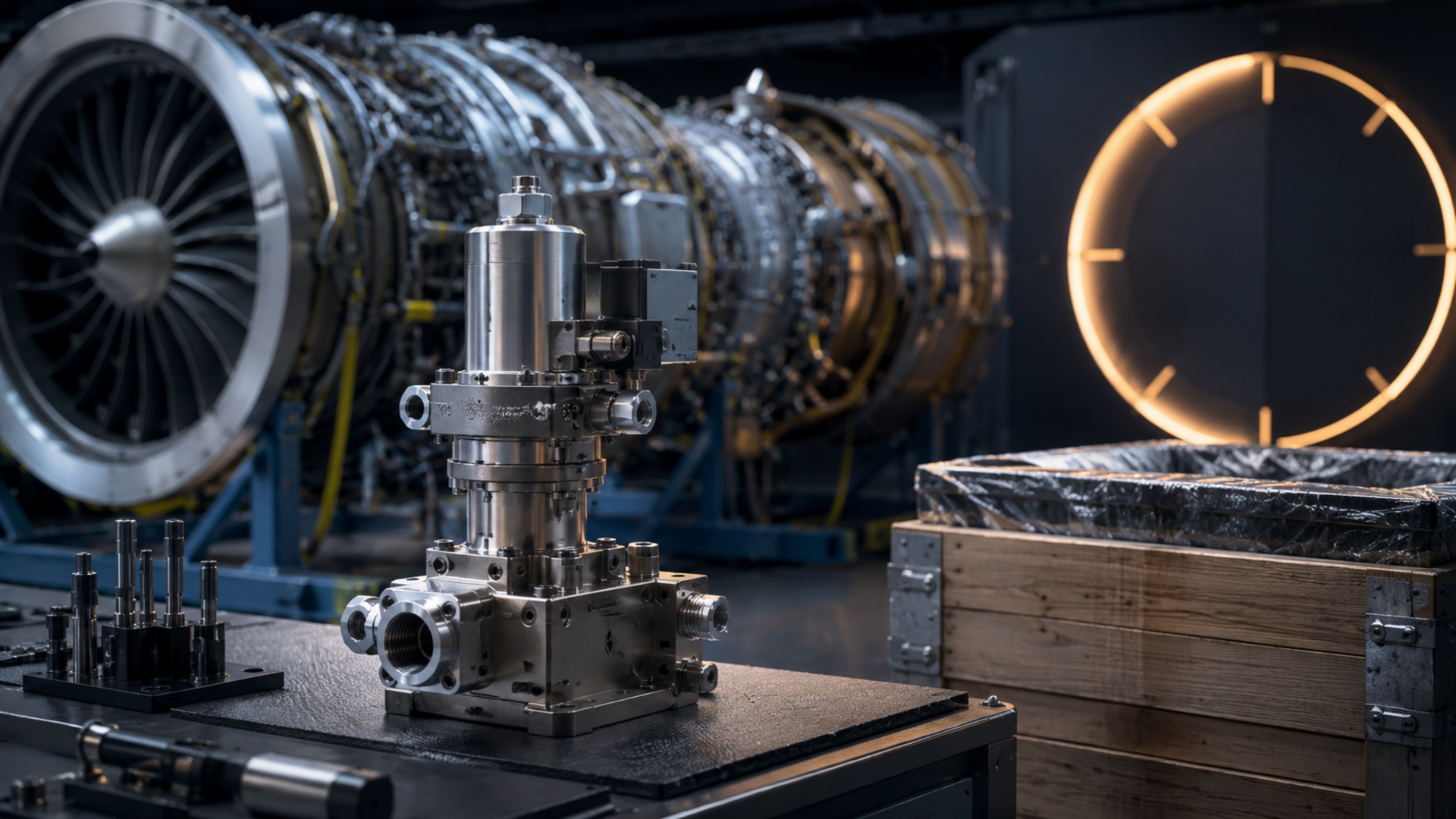
There is no authoritative public fixed delivery lead time for every LM2500 fuel metering valve. publishes a repair-and-overhaul program under which properly preplanned work can receive a two-week-or-less overhaul turnaround, but that is not the same as a guaranteed new replacement-valve delivery time or base-LM2500 applicability.
August 24, 2026
Read more →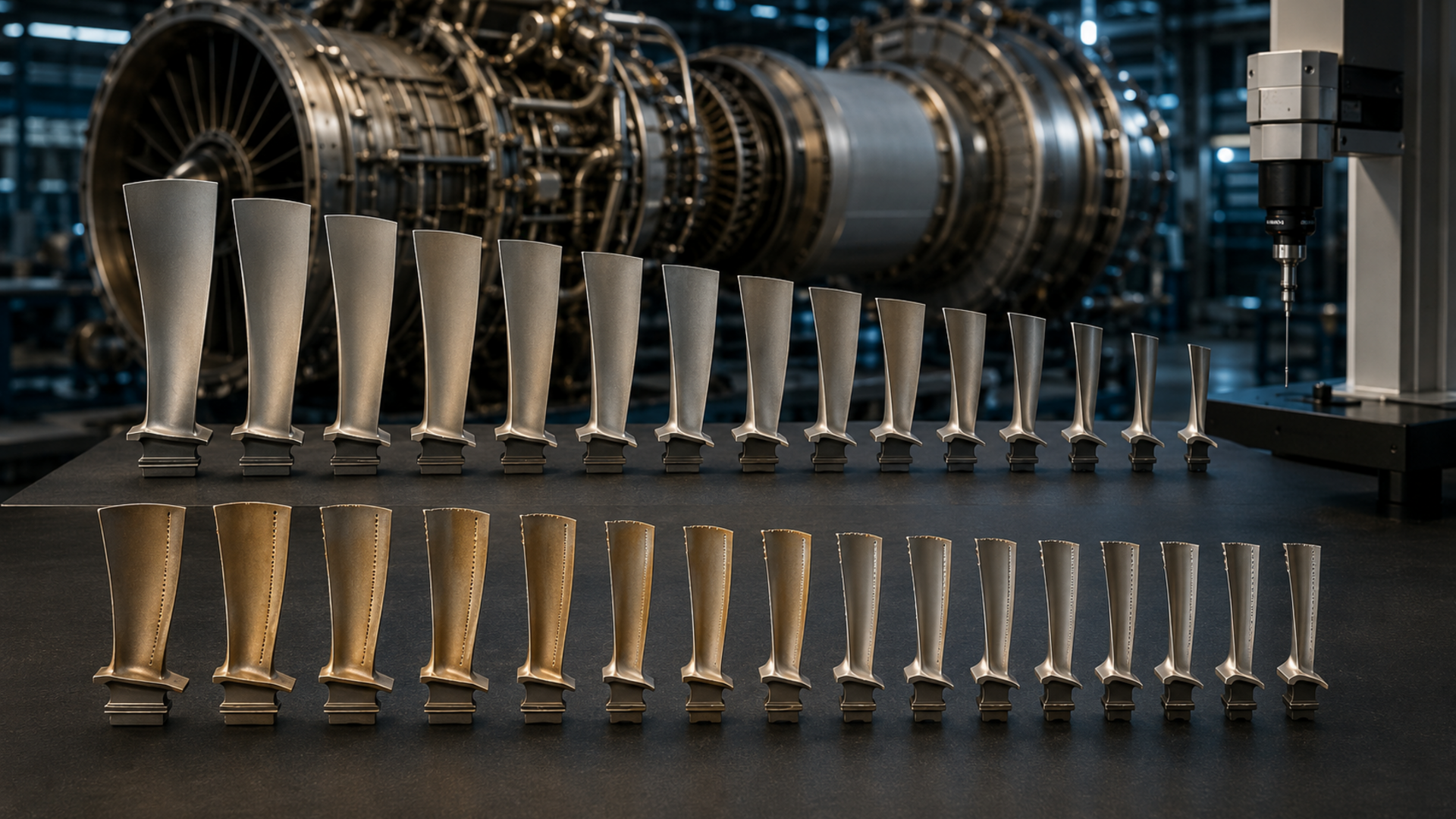
No general blade-interchangeability assumption is technically valid between the base LM2500 and LM2500+. GE documents major architecture differences: the base engine has a 16-stage high-pressure compressor, while LM2500+ adds a zero stage and incorporates other turbine changes. A complete authoritative public blade interchangeability matrix could not be verified.
August 24, 2026
Read more →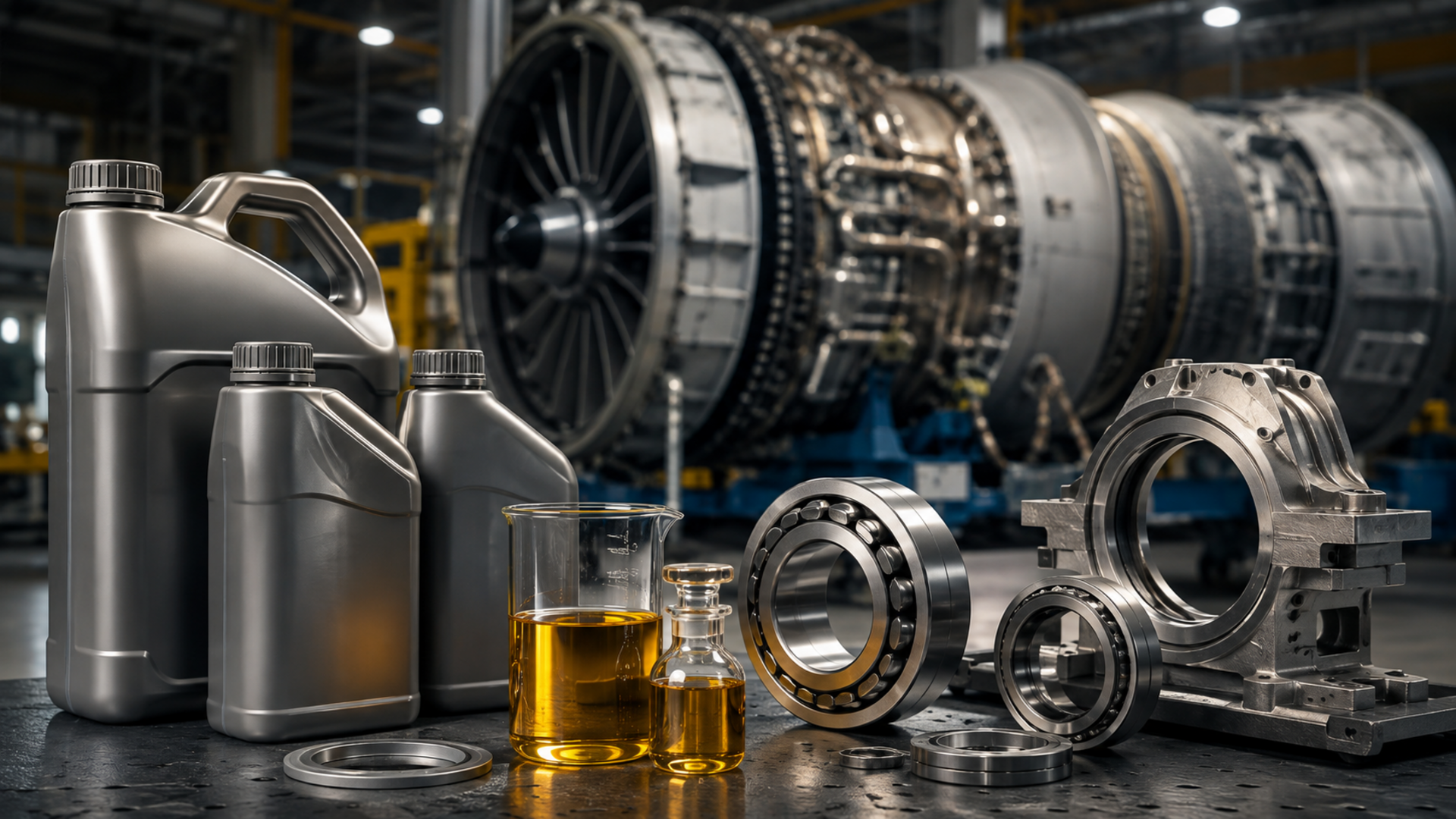
mmediate Answer: MIL-PRF-23699 is an active U.S. military synthetic aircraft-turbine-engine lubricant specification, and the official qualification source is DLA's QPD/QPL-23699. However, qualification to MIL-PRF-23699 alone should not be interpreted as automatic approval for every LM2500 installation; the applicable current GE/OEM lubricant specification must also be checked. What does MIL-PRF-23699 cover? The Defense Logistics Agency identifies MIL-PRF-23699G as active. It covers synthetic-base gas-turbine lubricating oils with nominal viscosity of 5 cSt at 100°C and includes NATO classes O-152, O-154, O-156 and O-167. The DLA Qualified Products Database identifies four government designations: C/I — corrosion-inhibiting. EE — enhanced ester class associated with NATO O-167. HTS — high thermal stability. STD — standard class. The database was updated in August 2026 and is the correct source to query for currently qualified products rather than relying on an old static vendor list. Teams can explore the interactive LM2500 Digital Product Twin to see how lubrication interfaces with the gearbox, bearings and scavenge system.
August 24, 2026
Read more →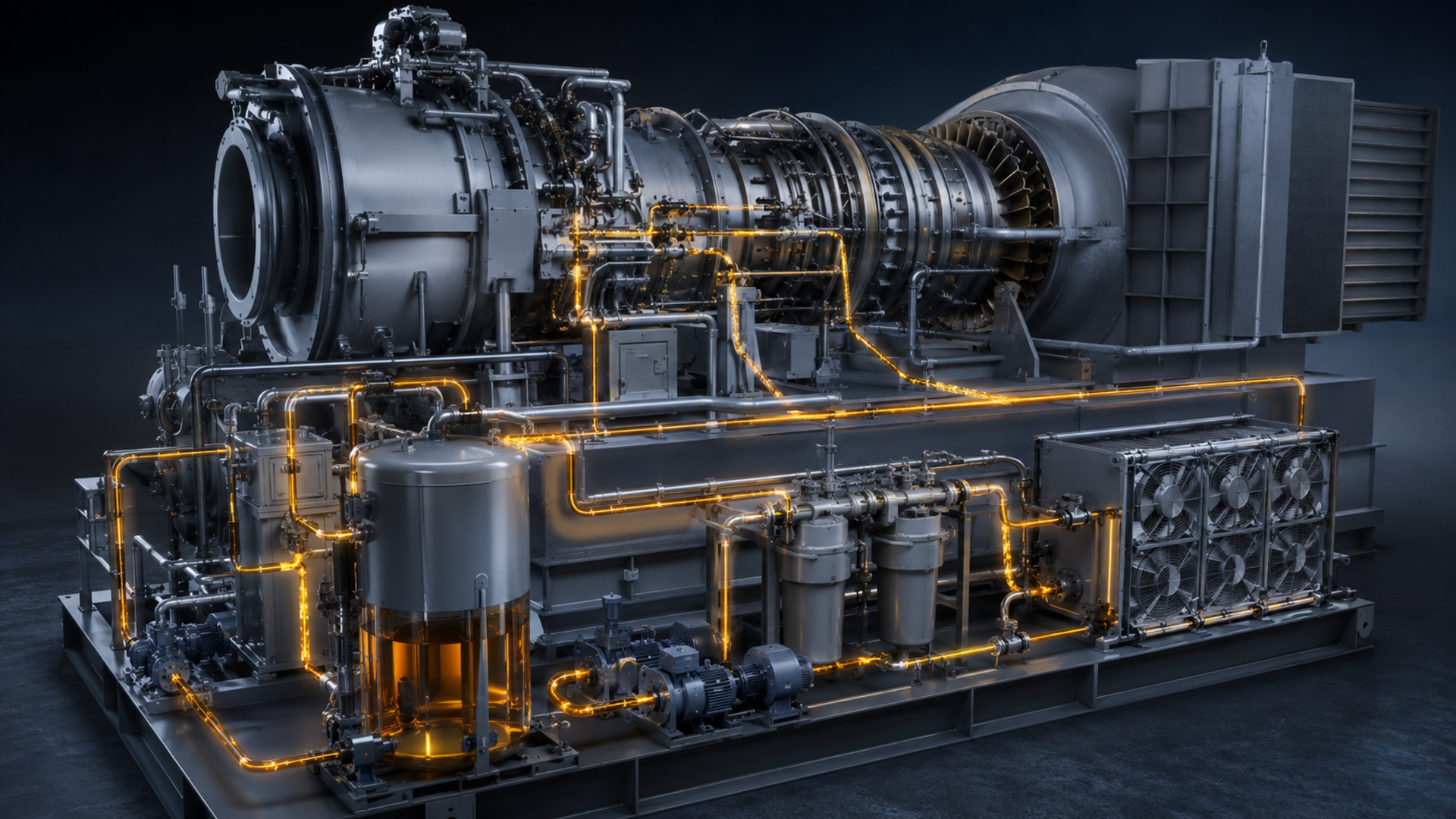
Immediate Answer: GE publicly describes the LM2500 lubrication and scavenge architecture, including attached lube pumps and an off-module Lube Scavenging and Conditioning Assembly, but a current configuration-controlled base-LM2500 package P&ID suitable for maintenance could not be verified as an unrestricted authoritative public PDF. Use the site/OEM drawing set for actual valve and instrument identification.
August 24, 2026
Read more →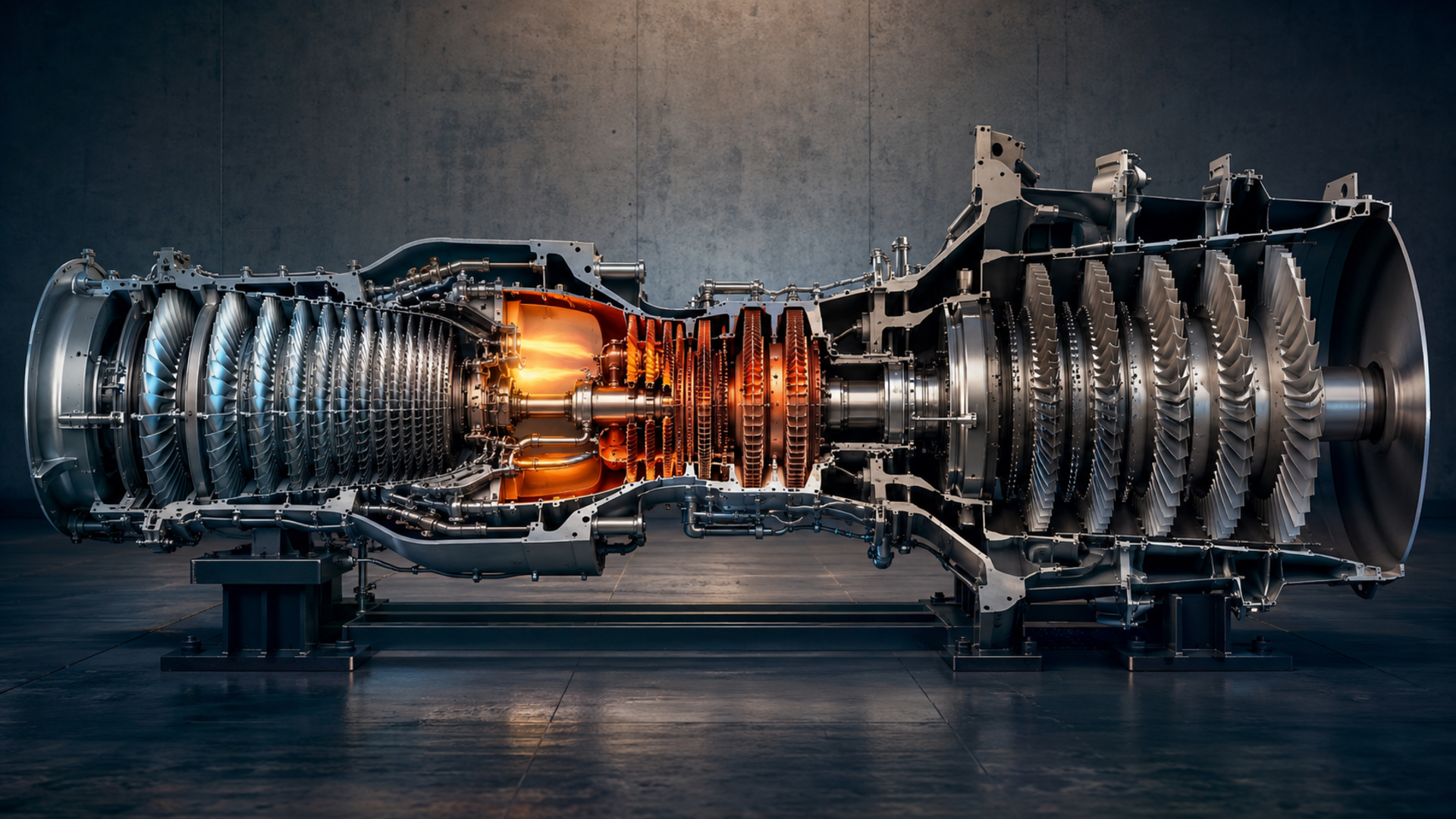
Write the main article content here.
August 24, 2026
Read more →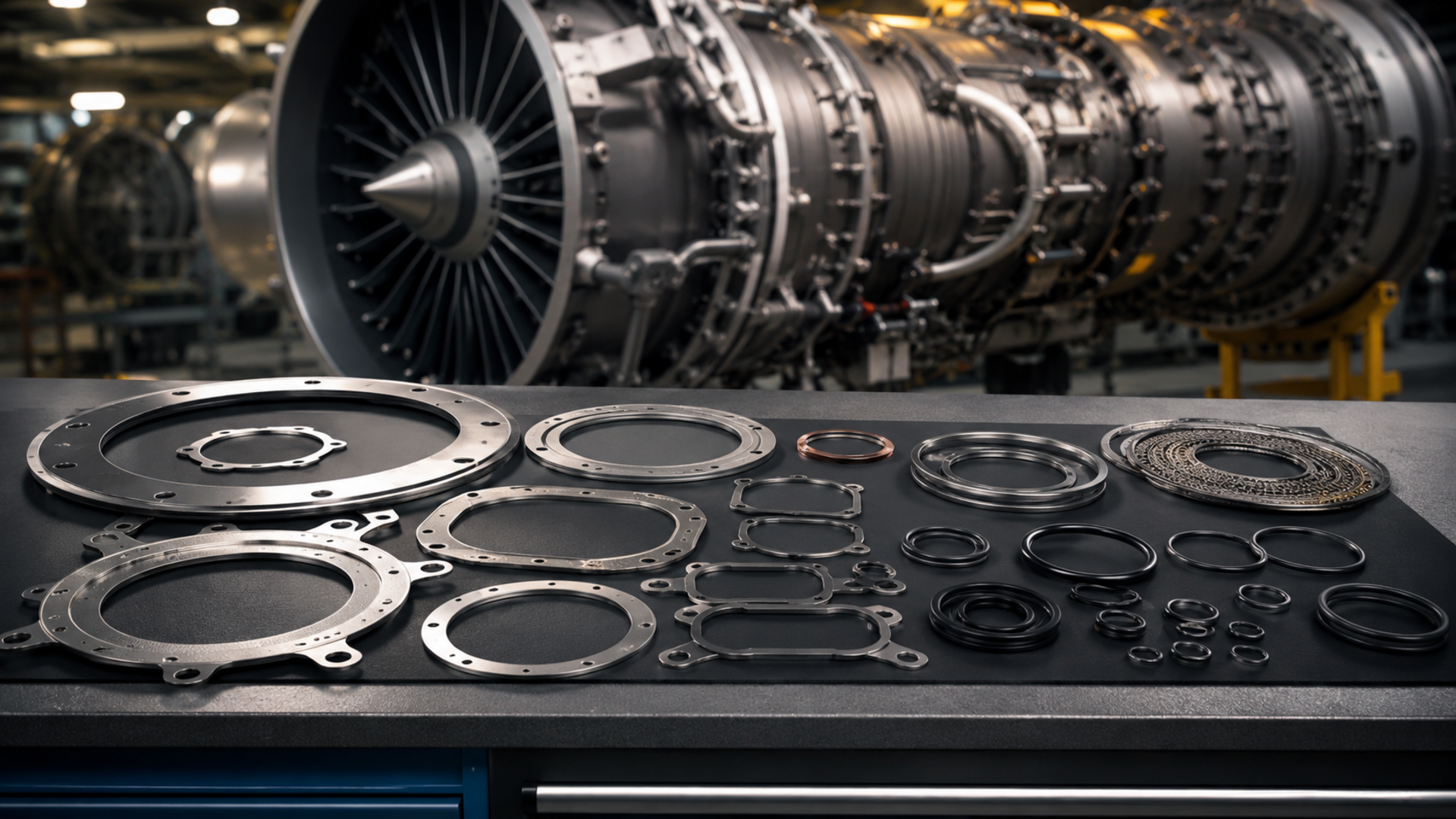
Immediate Answer: A universal LM2500 base hot-section-inspection gasket-kit part number could not be verified from an authoritative publicly available GE source. The required seals, gaskets and consumables depend on engine configuration, combustion system, incorporated service bulletins and maintenance work scope. Confirm the kit against the current OEM parts documentation before ordering.
August 24, 2026
Read more →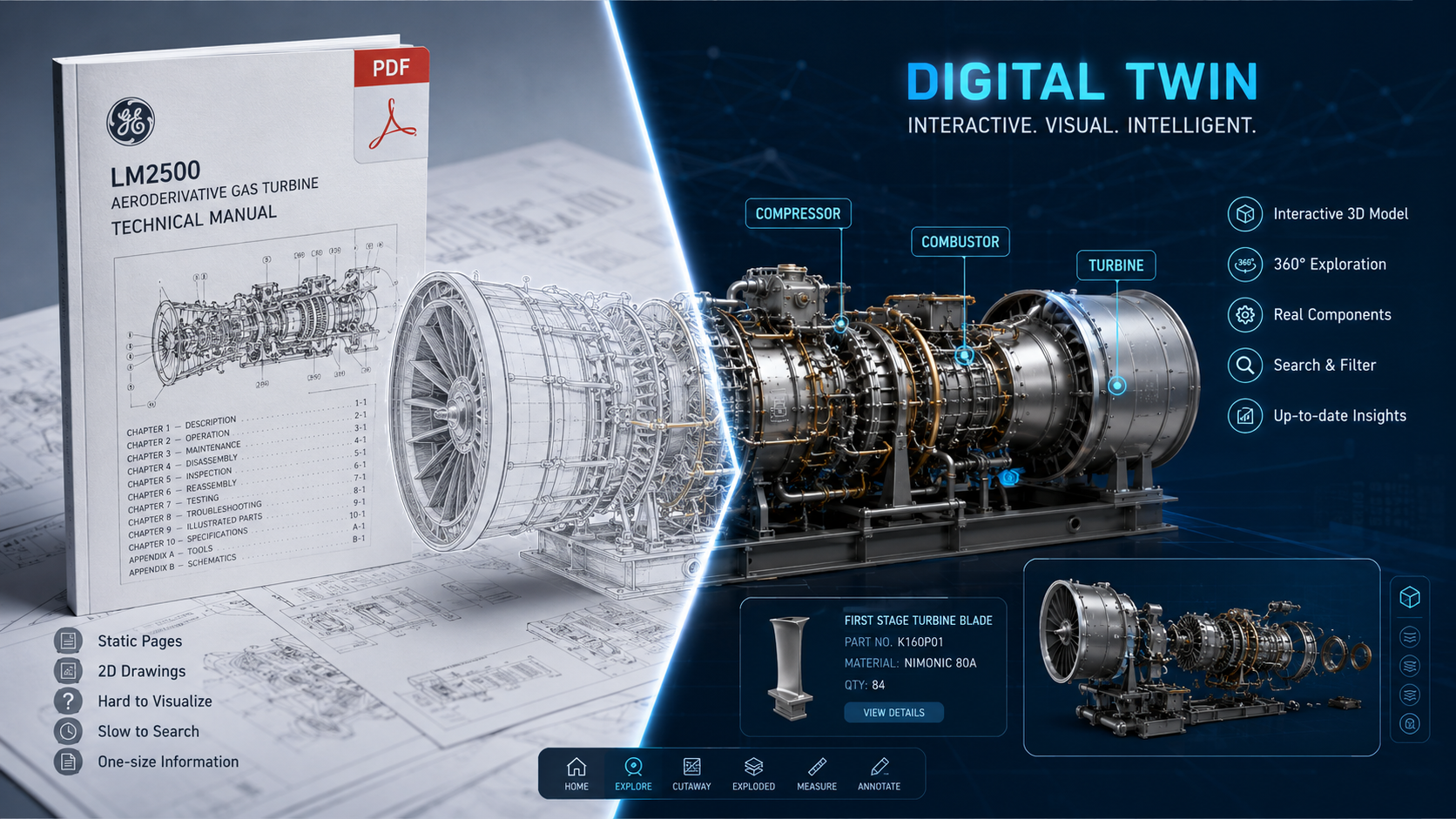
LM2500 technical documentation exists for operation, maintenance, parts, and other technical purposes, but users should obtain the correct, authorized documentation applicable to their engine, configuration, organization, and maintenance activity . A random PDF found through a search engine should not automatically be assumed to be current, complete, authorized, or applicable to a specific LM2500. More importantly, a Digital Product Twin should not be marketed as replacing the GE technical manual . They solve different problems.
August 24, 2026
Read more →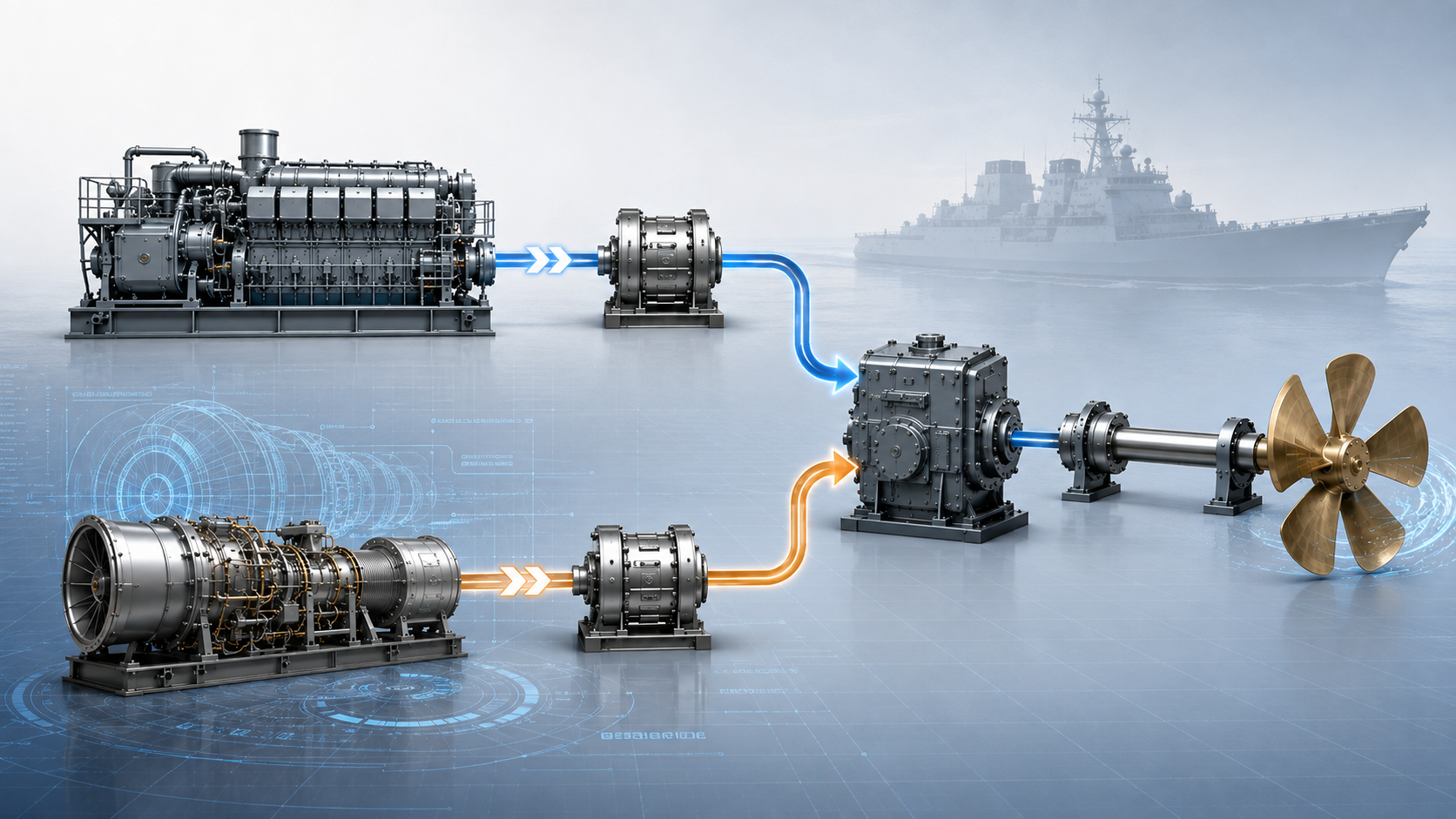
What is CODOG propulsion
August 23, 2026
Read more →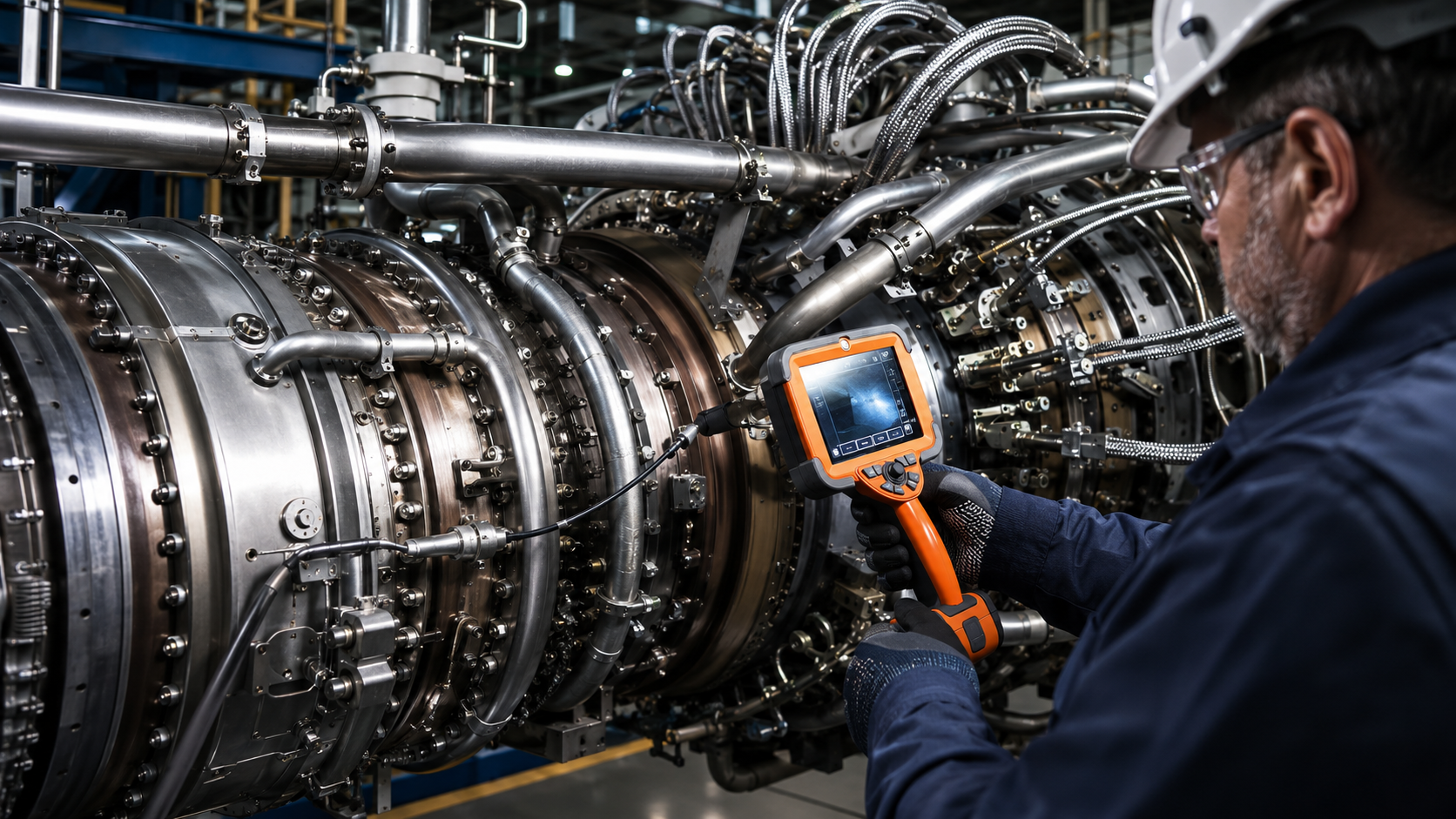
There should not be one unsourced internet interval presented as universally applicable to every LM2500 . The applicable borescope inspection requirements can depend on the LM2500 variant, service application, operating history, maintenance program, technical directives, observed condition, and current approved maintenance documentation. Operators should therefore establish the required interval from the documentation applicable to their specific engine and maintenance program . What is an LM2500 borescope inspectio
August 23, 2026
Read more →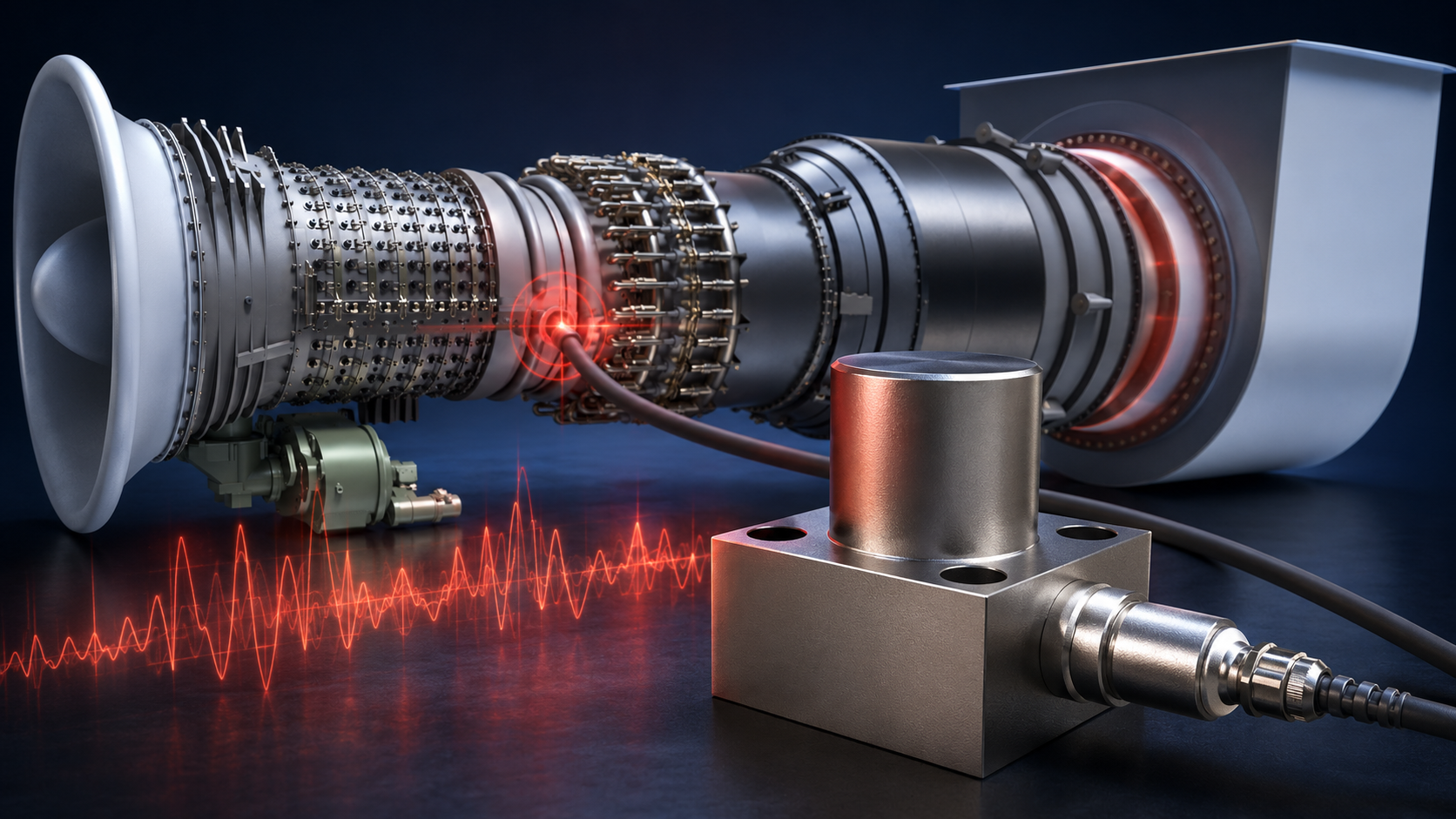
An LM2500 vibration high alarm indicates that the applicable vibration-monitoring system has detected a value that meets or exceeds a configured alarm threshold . It should be treated as an indication requiring evaluation—not as proof that a particular bearing, rotor, sensor, or engine component has failed. The exact monitored parameters, sensor arrangement, alarm logic, units, limits, and required operator response can depend on the LM2500 variant, package, control/monitoring system, installation, and approved operating documentation . For that reason, a generic internet value should never replace the alarm limits specified for the actual installation. Users unfamiliar with the physical relationship between the compressor, shafts, bearings, turbine, and supporting systems can explore the LM2500 in Ruhify's interactive 3D viewer before investigating individual components.
August 22, 2026
Read more →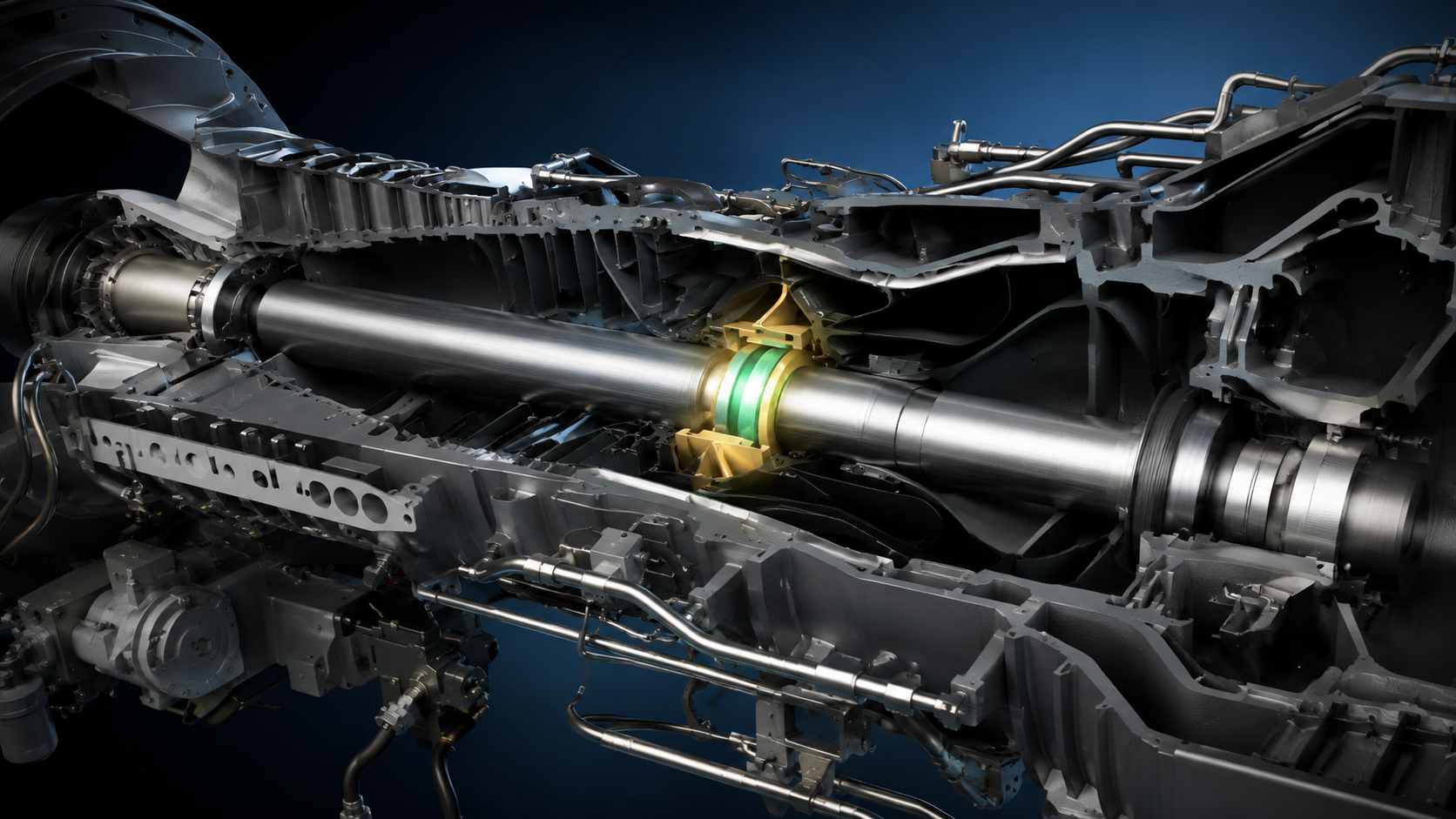
1515M19P01 is referenced as an LM2500 4R/4B bearing-set identifier. Exact identification and applicability should be checked against authoritative documentation for the relevant engine configuration. Bearings perform a fundamental role in supporting rotating machinery and maintaining the required relationship between rotating and stationary components. To understand where bearings fit within the complete engine architecture, buyers and maintenance teams can explore the interactive LM2500 Digital Product Twin and examine the turbine at a system level.
August 22, 2026
Read more →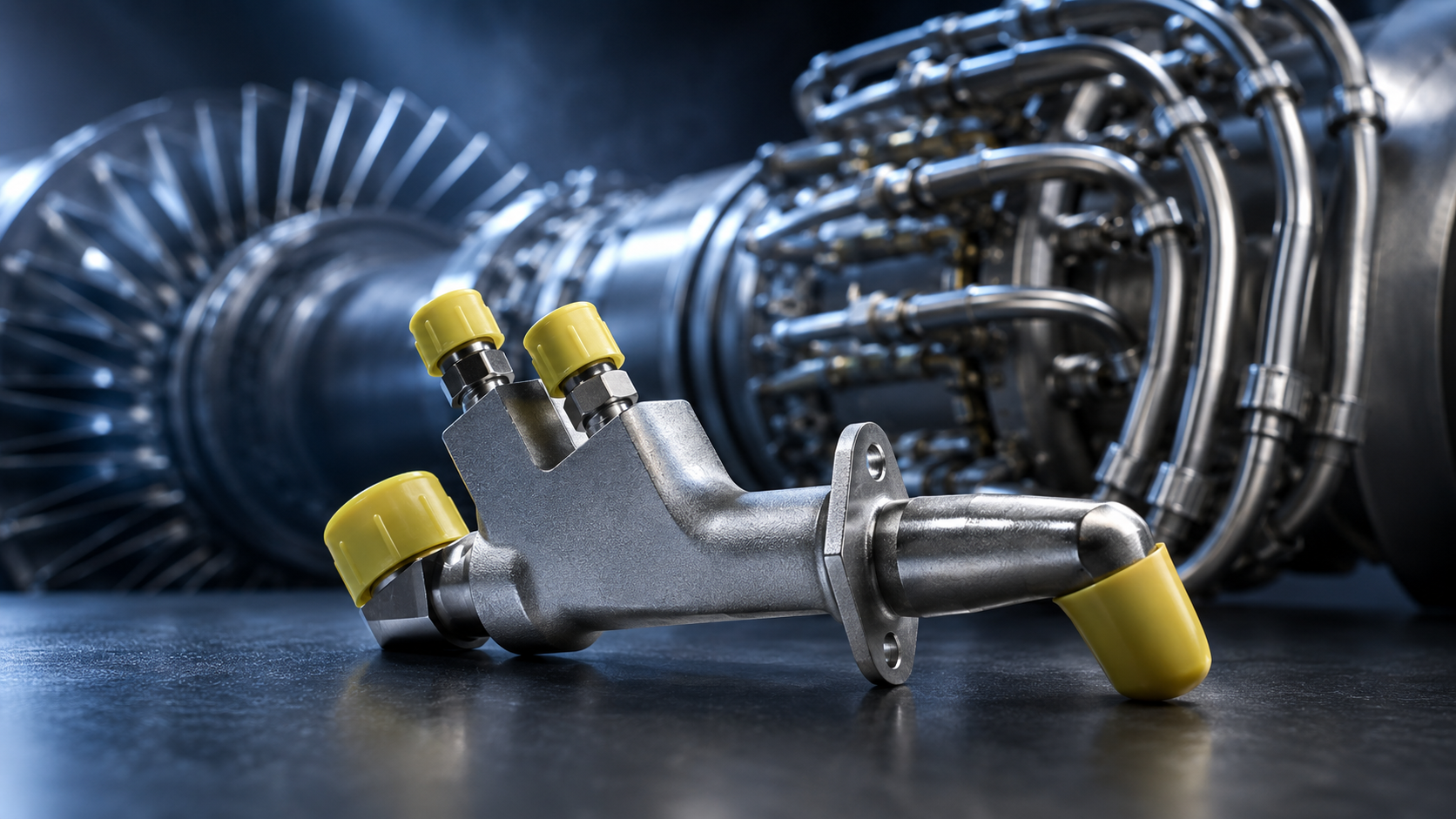
L31809P10 is referenced as an LM2500 fuel-nozzle part number. Applicability should be verified using the appropriate authoritative technical documentation before procurement, maintenance, or installation. Fuel nozzles form part of the combustion fuel-delivery system. Their general role is to introduce fuel into the combustion process in the required manner. Users unfamiliar with the relationship between the compressor, combustion section, and turbine can explore the interactive LM2500 Digital Product Twin to see the engine as a connected system.
August 22, 2026
Read more →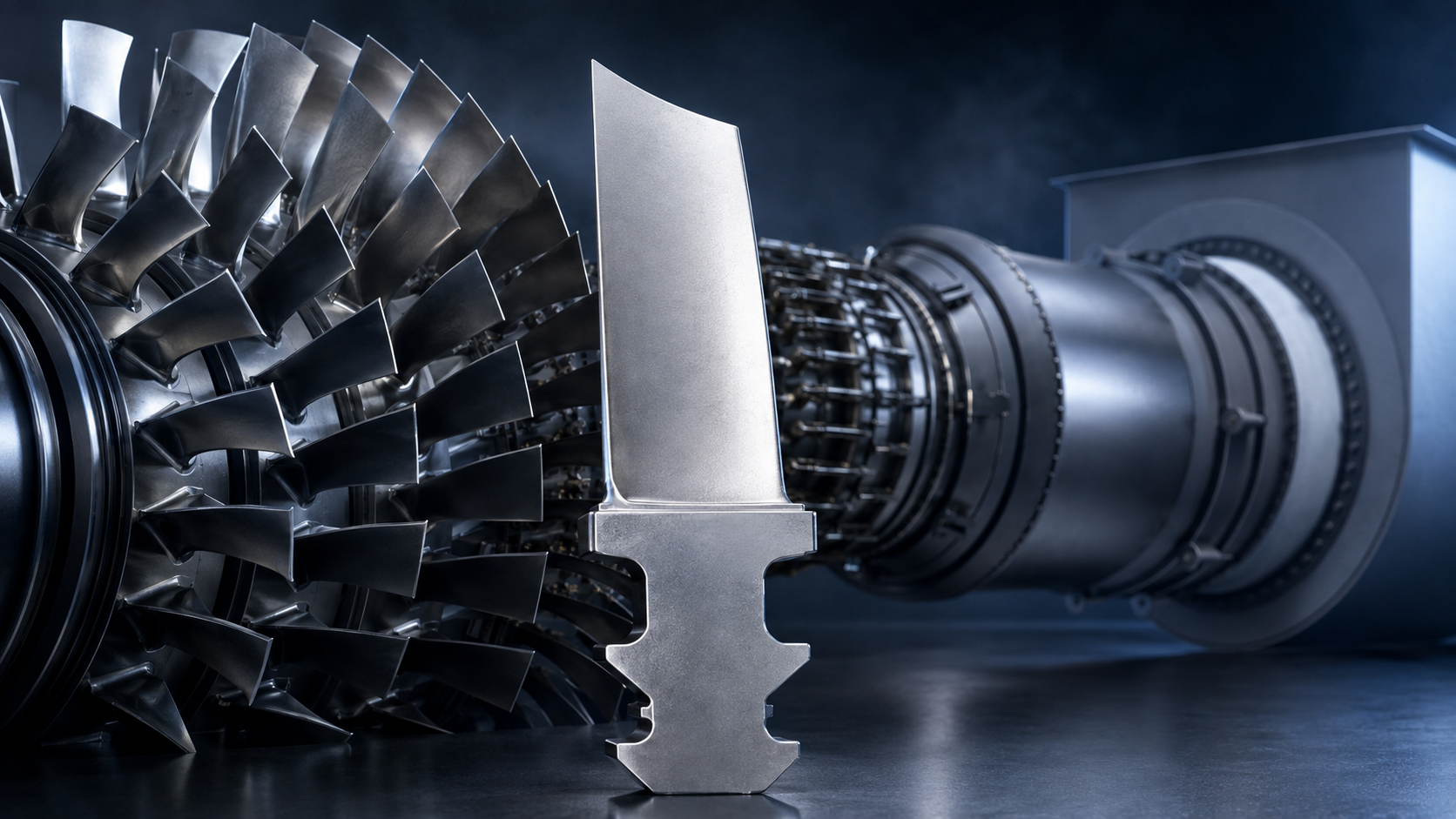
K679P02 is referenced as an LM2500 compressor rotor blade part number. Before procurement, inspection, or maintenance use, the identifier and applicability should be confirmed against authoritative documentation for the specific turbine configuration. Compressor rotor blades form part of the rotating compressor assembly. Working with the surrounding compressor stages, they contribute to progressively increasing the pressure of airflow as it moves through the engine. For users who want to understand where the compressor sits in relation to the rest of the engine, the interactive LM2500 Digital Product Twin provides a visual way to explore the turbine and its major systems.
August 22, 2026
Read more →
LM2500 replacement-parts sourcing should begin with technical identification and applicability, not price alone . Buyers should establish the correct component, required condition, documentation, supplier capability, and turbine configuration before comparing commercial offers. If the requirement starts with an unfamiliar system or component, buyers can first explore the interactive LM2500 to better understand where major components sit within the turbine.
August 22, 2026
Read more →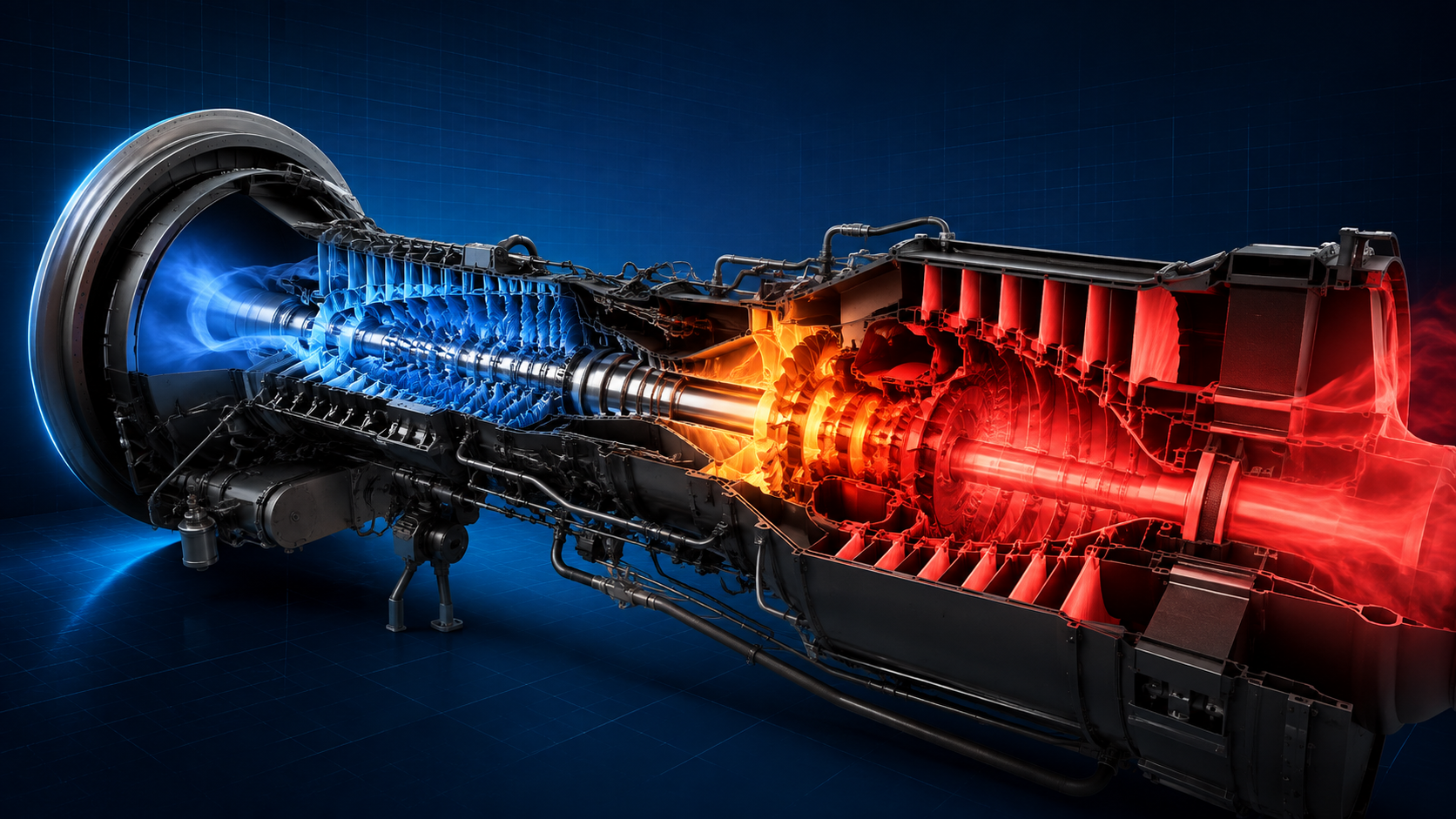
An LM2500 gas turbine converts fuel energy into useful shaft power through a continuous thermodynamic process. Air enters the engine, is compressed, mixed with fuel and burned, and the resulting high-energy gas expands through turbine stages. Instead of trying to understand this process from a static diagram alone, you can explore the interactive LM2500 in 3D and examine how the major sections relate to one another.
August 22, 2026
Read more →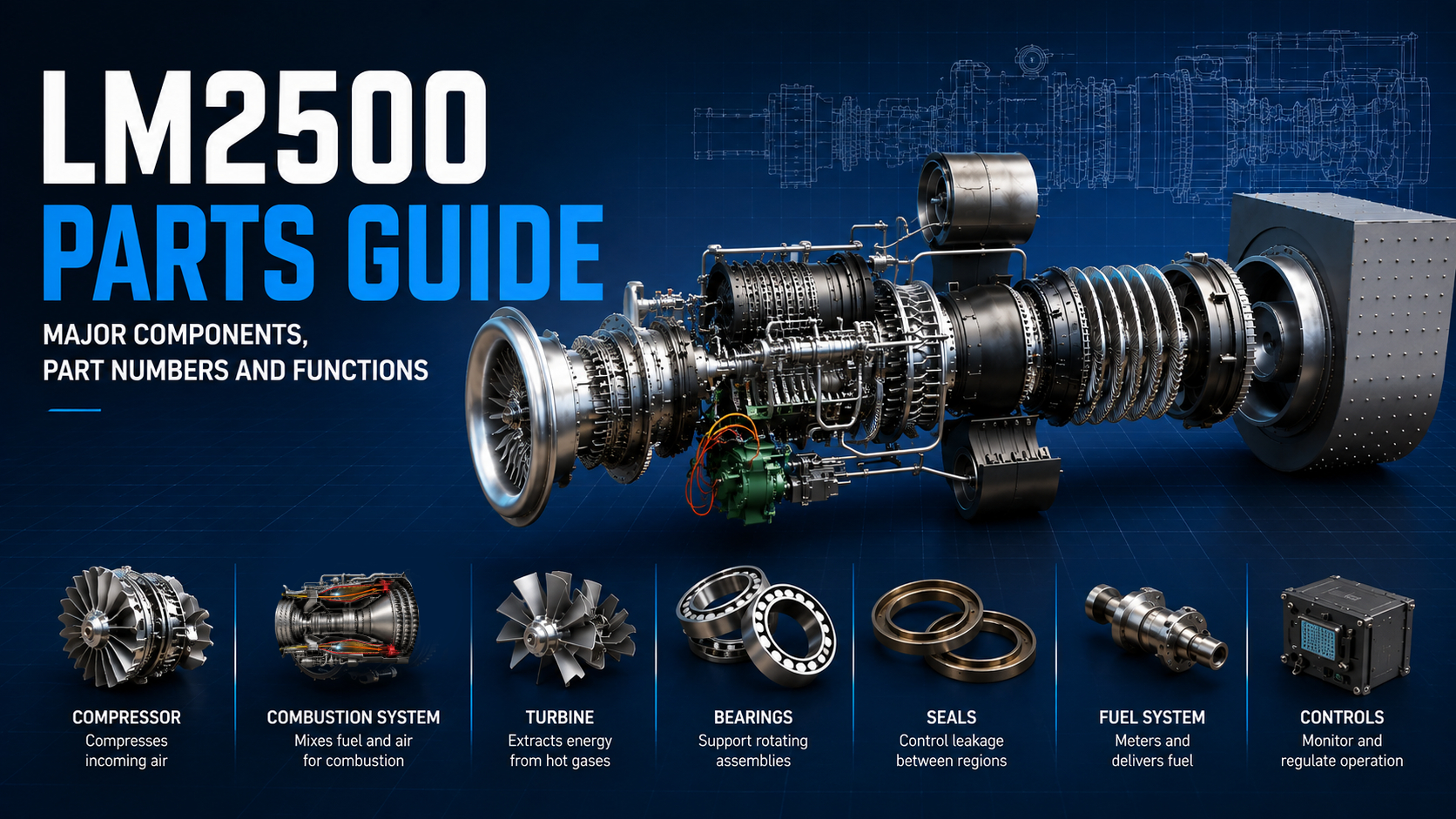
What parts make up an LM2500?
August 19, 2026
Read more →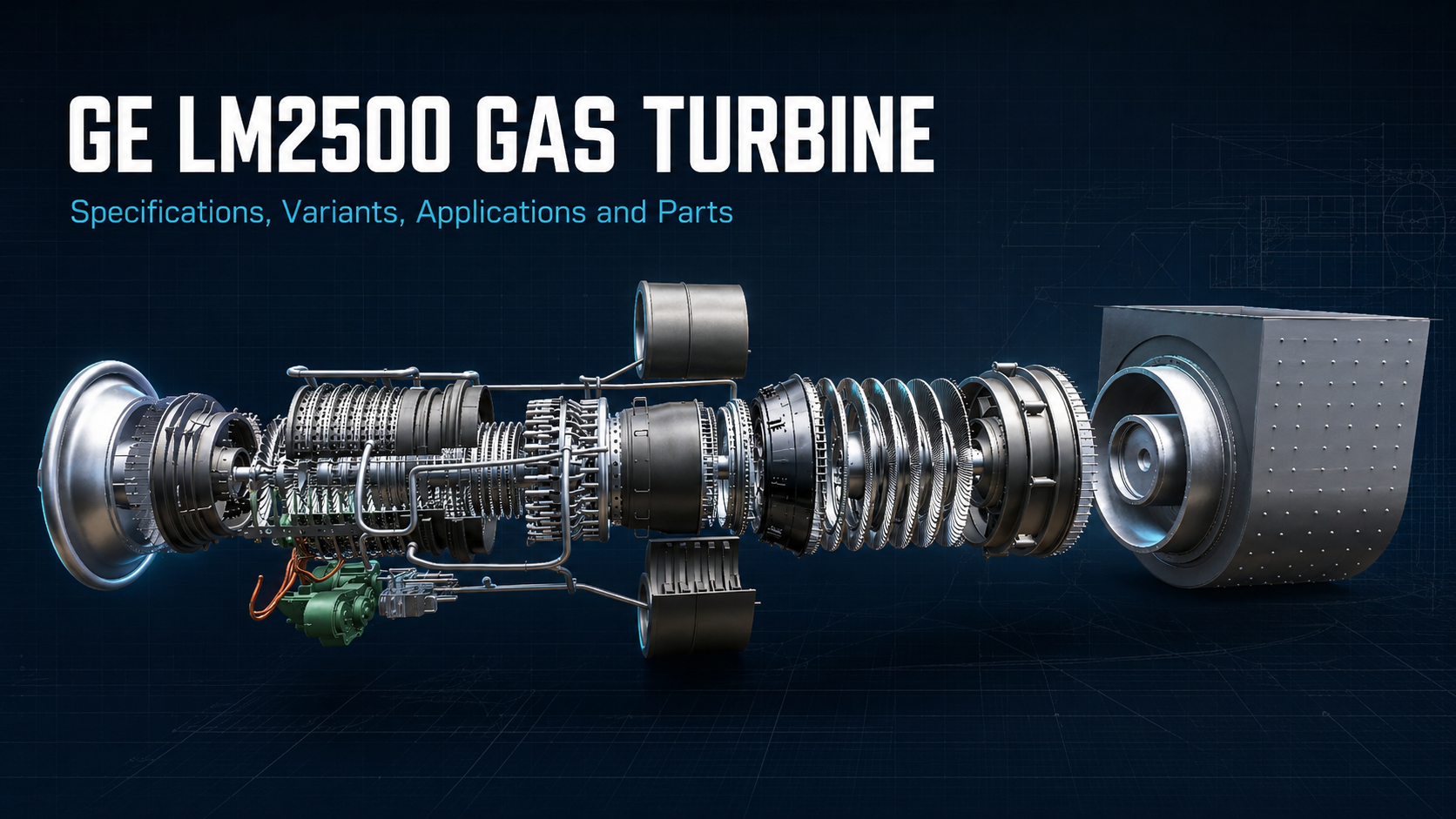
The GE LM2500 is one of the most established aeroderivative gas-turbine
August 18, 2026
Read more →
From visualizing critical blade pitting to streamlining global procurement, see how interactive Three.js platforms connect maintenance, supply chains, and suppliers in a single source of truth.
August 16, 2026
Read more →
The Strategic Shift in Digital Sourcing
July 3, 2026
Read more →